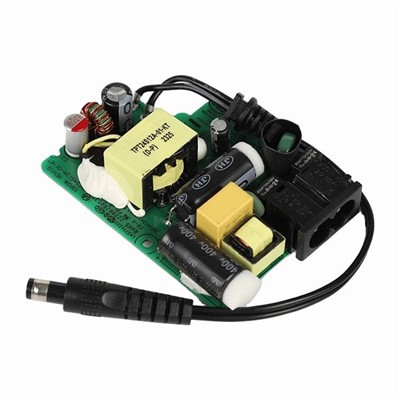

Hey there! As a supplier of portable energy storage, I often get asked about the charging methods for these nifty devices. So, I thought I'd put together this blog post to give you the lowdown on all the ways you can charge your portable energy storage units.
1. AC Wall Outlet Charging
Let's start with the most common and straightforward method: charging from an AC wall outlet. This is pretty much like charging your phone or laptop. You just plug your portable energy storage device into a regular wall socket using the included AC adapter.


The advantage of this method is its simplicity and accessibility. You can charge your device at home, in the office, or anywhere you have access to a standard electrical outlet. It's also usually the fastest way to charge, especially if your portable energy storage unit supports high - power charging.
However, the downside is that you're limited by the availability of wall outlets. If you're out in the wild, on a camping trip, or in an area without electricity, this method won't work for you.
2. DC Car Charging
Another popular charging option is using a DC car charger. Most portable energy storage units come with a DC input port that allows you to connect them to your car's cigarette lighter socket. This is super handy when you're on the road.
Imagine you're on a long road trip, and your portable power station is running low on juice. You can simply plug it into your car's charger, and it'll start replenishing the battery while you drive. It's a great way to keep your power station ready for use when you reach your destination.
But there are a few things to keep in mind. Car chargers usually provide lower power compared to AC wall chargers, so the charging time will be longer. Also, make sure your car's electrical system can handle the load of charging the portable energy storage device.
3. Solar Charging
Now, let's talk about one of the most eco - friendly and off - grid friendly charging methods: solar charging. With the increasing popularity of solar panels, more and more portable energy storage units are designed to be compatible with solar chargers.
Solar charging works by converting sunlight into electricity. You need to connect a solar panel to your portable power station, and as long as there's sunlight, the panel will generate electricity and charge the battery. It's a great option for camping, hiking, or any outdoor activity where you want to be self - sufficient.
The main advantage of solar charging is that it's free and renewable. You don't have to rely on traditional power sources, which is not only good for the environment but also gives you more freedom. However, solar charging is highly dependent on weather conditions. If it's cloudy or at night, the charging process will be slow or even stop altogether.
4. USB Charging
USB charging is a convenient option for charging smaller portable energy storage devices or for topping up the battery with a small amount of power. Many portable power stations have USB ports that allow you to connect them to a USB power source, such as a power bank or a computer.
It's a great way to give your portable energy storage unit a quick boost when you don't have access to other charging methods. For example, if you're at a coffee shop and your power station is almost out of power, you can plug it into your laptop's USB port to get a little extra juice.
But like DC car charging, USB charging is relatively slow because the power output of USB ports is limited.
5. Wireless Charging
Wireless charging is a relatively new technology in the world of portable energy storage. Some advanced portable power stations now support wireless charging, which means you can charge them just by placing them on a wireless charging pad.
It's a very convenient feature, especially if you're tired of dealing with cables. You can simply put your portable energy storage device on the charging pad, and it'll start charging automatically. However, wireless charging is still not as efficient as other charging methods, and the charging speed is usually slower.
Safety Considerations
When charging your portable energy storage unit, safety should always be your top priority. Make sure to use the chargers that come with the device or chargers that are recommended by the manufacturer. Using incompatible chargers can damage the battery or even pose a safety risk.
Also, pay attention to the charging temperature. Most portable energy storage devices have a recommended temperature range for charging. Charging the device outside of this range can affect the battery's performance and lifespan.
And don't forget about the Fire Suppression Sticker. It's an important safety feature that can help prevent fires in case of a battery malfunction.
Our Product Recommendations
As a supplier of portable energy storage, we have a wide range of products to meet your needs. If you're looking for a compact and lightweight option, our 300w Portable Power Station is a great choice. It's easy to carry around and can power small devices like smartphones, tablets, and laptops.
For those who need more power, our LiFePO4 Portable Power Station is a fantastic option. LiFePO4 batteries are known for their long lifespan, high safety, and excellent performance. This power station can handle larger loads, such as power tools and small appliances.
Contact Us for Purchase and Negotiation
If you're interested in our portable energy storage products or have any questions about charging methods, feel free to contact us. We're always happy to help you find the right product for your needs and discuss the best charging options for you. Whether you're a retailer looking to stock our products or an individual in need of a reliable power source, we're here to serve you.
References
- "Portable Energy Storage: A Comprehensive Guide" - Published by a leading energy research institute.
- Manufacturer's manuals for portable energy storage devices.
- Industry reports on the latest trends in portable energy storage charging technologies.