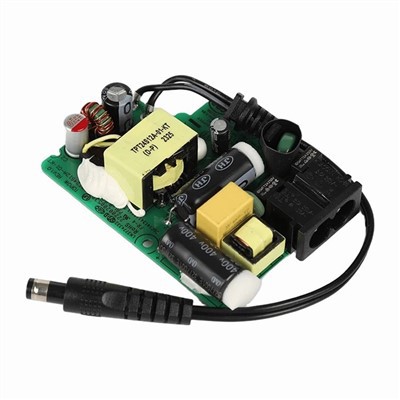

As a seasoned provider of charging solutions, I've witnessed firsthand the remarkable evolution of charging technologies. In today's fast - paced world, where the reliance on electronic devices and electric vehicles is ever - increasing, having the right charging solution is crucial. This blog will explore the different types of charging solutions available in the market, highlighting their features, applications, and benefits.
1. Portable Chargers
Portable chargers are a game - changer in the world of charging solutions. They offer the convenience of charging your devices on the go, whether you're traveling, at work, or simply out and about. These chargers come in various shapes and sizes, from small, pocket - sized power banks to larger, more powerful units.
One of the most popular types of portable chargers is the Portable Ebike Battery Charger. This charger is specifically designed for electric bikes, allowing riders to charge their bike batteries anywhere they have access to a power source. It's lightweight, easy to carry, and can significantly extend the range of an e - bike. For e - bike enthusiasts, this is an essential accessory that provides the freedom to explore without the fear of running out of battery.
Portable chargers also come in handy for charging smartphones, tablets, and other small electronic devices. They typically have multiple USB ports, enabling you to charge multiple devices simultaneously. Some high - end portable chargers even support fast - charging technology, which can charge your device much quicker than a standard charger.
2. Home Chargers
Home chargers are the most common type of charging solutions for electronic devices and electric vehicles. They are designed to be used in a home environment, providing a convenient and reliable way to charge your devices overnight or during the day.
For electric vehicles (EVs), home chargers are a must - have. They offer a cost - effective and convenient way to keep your EV battery charged. The EV Charger 48v is a popular choice for many EV owners. It can be installed in your garage or driveway and is compatible with a wide range of electric vehicles. Home EV chargers usually come with different charging speeds, allowing you to choose the one that suits your needs. A slower charger may take longer to charge your vehicle but is more energy - efficient, while a fast charger can charge your vehicle in a shorter time but may consume more electricity.
In addition to EV chargers, home chargers for smartphones, laptops, and other electronic devices are also widely used. These chargers are often included with the device when you purchase it. However, you can also buy aftermarket chargers that offer better performance or additional features, such as fast - charging or multiple charging ports.
3. Commercial Chargers
Commercial chargers are designed for use in public places, such as shopping malls, restaurants, airports, and parking lots. They provide a convenient charging solution for people who are on the move and need to charge their devices while away from home.
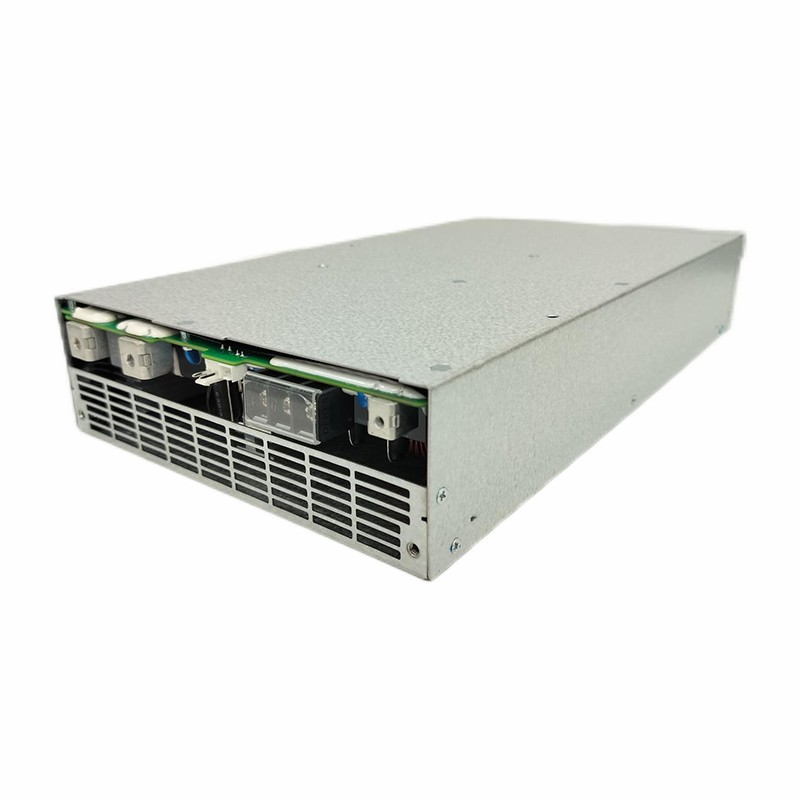

In the context of electric vehicles, commercial chargers play a vital role in promoting the adoption of EVs. They help to alleviate the range anxiety of EV owners by providing a network of charging stations across the country. There are different types of commercial EV chargers, including Level 2 chargers and DC fast chargers. Level 2 chargers are more common and can charge an EV in a few hours, while DC fast chargers can charge an EV to 80% in as little as 30 minutes.
Commercial chargers for electronic devices are also becoming more prevalent. Many public places now offer charging stations with multiple USB ports, allowing people to charge their smartphones, tablets, and other devices for free or for a small fee. These charging stations are often located in high - traffic areas, making them easily accessible to the public.
4. High - Amp Chargers
High - amp chargers are designed to charge large batteries quickly. They are commonly used in industrial applications, such as charging forklift batteries, large - scale energy storage systems, and some high - performance electric vehicles.
The 100A Battery Charger is a prime example of a high - amp charger. With its high - current output, it can charge a large battery in a relatively short time. However, high - amp chargers require a significant amount of power and may need to be connected to a high - voltage electrical supply. They also need to be used with caution, as overcharging a battery with a high - amp charger can cause damage to the battery.
5. Wireless Chargers
Wireless chargers are a relatively new addition to the world of charging solutions. They use electromagnetic induction to transfer energy from the charger to the device, eliminating the need for a physical connection.
Wireless chargers are becoming increasingly popular for smartphones and other small electronic devices. They offer a convenient and clutter - free way to charge your device. You simply place your device on the wireless charger, and it starts charging automatically. Many modern smartphones now support wireless charging technology, and there are also wireless charging pads and stands available in the market.
However, wireless chargers are generally slower than wired chargers, and they may not work as efficiently if there is an object between the charger and the device. Additionally, the charging distance is limited, and the device needs to be placed precisely on the charger for optimal charging.
Conclusion
In conclusion, there are various types of charging solutions available in the market, each with its own features, applications, and benefits. Whether you need a portable charger for on - the - go charging, a home charger for convenient overnight charging, a commercial charger for public use, a high - amp charger for large batteries, or a wireless charger for a clutter - free experience, there is a charging solution that suits your needs.
As a leading provider of charging solutions, we are committed to offering high - quality, reliable, and innovative charging products. Our team of experts is constantly researching and developing new charging technologies to meet the evolving needs of our customers.
If you are interested in purchasing our charging solutions or have any questions about our products, please feel free to contact us for a procurement discussion. We look forward to working with you to find the best charging solution for your specific requirements.
References
- DOE. (2023). Electric Vehicle Charging Basics. U.S. Department of Energy.
- IEC. (2022). International Electrotechnical Commission Standards on Charging Technologies.
- IEEE. (2021). IEEE Journal of Emerging and Selected Topics in Power Electronics - Charging Solutions Research.