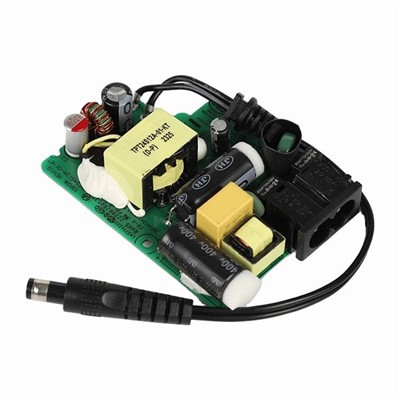

When integrating a Power over Ethernet (PoE) power supply into a Voice over Internet Protocol (VoIP) system, numerous factors demand careful consideration. As a PoE power supply provider, I understand the importance of making informed decisions to ensure the seamless operation of VoIP systems. This blog post will explore the key considerations when using a PoE power supply in a VoIP setup, drawing on my experience in the industry.
Power Requirements
The first and most crucial consideration is the power requirements of the VoIP devices. Different VoIP phones and related equipment have varying power needs, which can range from a few watts to over 30 watts. It's essential to accurately assess the power consumption of each device in the system to determine the appropriate PoE solution.
Device Power Ratings
VoIP phones typically fall into different power categories, such as Class 1 (up to 4.0 watts), Class 2 (up to 7.0 watts), Class 3 (up to 15.4 watts), and Class 4 (up to 30.0 watts). Higher - end VoIP phones with advanced features like large color displays, multiple lines, and integrated cameras may require more power. For example, a basic single - line VoIP phone might only need 3 - 5 watts, while a multi - line, feature - rich model could demand 15 - 30 watts.
Total Power Budget
Once you've determined the power requirements of individual devices, calculate the total power budget for the entire VoIP system. This involves adding up the power consumption of all the phones, as well as any other PoE - powered devices in the network, such as wireless access points or IP cameras. Make sure to account for future expansion, as you may want to add more devices to the system over time.
As a PoE power supply provider, we offer a range of products to meet different power requirements. Our 90W POE Injector is suitable for powering multiple high - power VoIP phones or a combination of phones and other PoE devices. For smaller setups, the POE Injector 30w can provide sufficient power for a few basic VoIP phones.
Compatibility
Compatibility is another vital aspect when using a PoE power supply in a VoIP system. The PoE power supply must be compatible with both the VoIP devices and the network infrastructure.
Device Compatibility
Not all VoIP phones are PoE - compatible. Before purchasing a PoE power supply, check the specifications of your VoIP devices to ensure they support PoE. Most modern VoIP phones are designed to work with PoE, but some older models may require an external power adapter. Additionally, different PoE standards (such as IEEE 802.3af, IEEE 802.3at, and IEEE 802.3bt) offer different levels of power. Make sure the PoE power supply you choose is compatible with the PoE standard supported by your VoIP devices.
Network Infrastructure Compatibility
The PoE power supply should also be compatible with the existing network infrastructure, including Ethernet switches and cables. If you're using a PoE switch, ensure that it has enough PoE ports to connect all your VoIP devices and that it can provide the required power. Our 60W POE Switch is a great option for integrating PoE - powered VoIP devices into an existing network. It offers multiple PoE ports and can deliver sufficient power to support a medium - sized VoIP system.
Distance and Cable Quality
The distance between the PoE power supply and the VoIP devices, as well as the quality of the Ethernet cables, can significantly impact the performance of the PoE system.
Distance Limitations
PoE has distance limitations due to the resistance of Ethernet cables. The maximum distance for reliable PoE transmission is typically around 100 meters (328 feet) for Cat5e or Cat6 cables. If the distance between the PoE power supply and a VoIP device exceeds this limit, the power may degrade, leading to unstable operation or even device failure. In such cases, you may need to use signal boosters or repeaters to extend the reach of the PoE system.
Cable Quality
The quality of the Ethernet cables used in the PoE system is also crucial. Low - quality cables can cause signal loss and power degradation, especially over longer distances. It's recommended to use high - quality Cat5e or Cat6 cables, which offer better performance and lower resistance compared to older cable types. Make sure the cables are properly installed and terminated to minimize signal interference.
Redundancy and Reliability
In a VoIP system, reliability is of utmost importance. Downtime can result in lost business opportunities and frustrated customers. Therefore, it's essential to consider redundancy and reliability when choosing a PoE power supply.
Redundant Power Sources
To ensure continuous operation, consider using redundant power sources for your PoE system. This can involve using multiple PoE power supplies or a combination of PoE and non - PoE power sources. For example, you can have a primary PoE power supply and a backup UPS (Uninterruptible Power Supply) to provide power in case of a power outage.
Power Supply Reliability
Choose a PoE power supply from a reputable manufacturer that offers high - quality products with a proven track record of reliability. Look for features such as over - voltage protection, over - current protection, and short - circuit protection to safeguard your VoIP devices from power surges and other electrical problems.
Management and Monitoring
Effective management and monitoring of the PoE power supply can help you optimize the performance of your VoIP system and quickly identify and resolve any issues.
PoE Management Features
Many modern PoE power supplies and switches offer management features that allow you to control and monitor the power output to individual devices. You can use these features to enable or disable PoE ports, adjust the power levels, and monitor the power consumption of each device. This can help you conserve energy, troubleshoot problems, and ensure the proper operation of your VoIP system.
Monitoring Tools
In addition to the built - in management features, you can use external monitoring tools to keep track of the performance of your PoE system. These tools can provide real - time information about power usage, device status, and network connectivity. By regularly monitoring the PoE system, you can detect potential issues early and take proactive measures to prevent downtime.
Cost - Effectiveness
Finally, cost - effectiveness is an important consideration when choosing a PoE power supply for a VoIP system. While it's essential to invest in a high - quality PoE solution, you also need to balance the cost with the performance and features you require.
Initial Investment
The initial cost of a PoE power supply includes the purchase price of the device, as well as any additional equipment or cables required for installation. Compare the prices of different PoE products and consider the long - term benefits and savings they offer. For example, a more expensive PoE switch with advanced management features may save you money in the long run by reducing maintenance costs and improving system efficiency.
Operating Costs
In addition to the initial investment, consider the operating costs of the PoE system. PoE - powered devices are generally more energy - efficient than devices with separate power adapters, which can result in lower electricity bills over time. However, make sure to choose a PoE power supply that is designed for energy efficiency to further reduce operating costs.


In conclusion, using a PoE power supply in a VoIP system offers many benefits, including simplified installation, reduced cable clutter, and improved energy efficiency. However, it's important to carefully consider the power requirements, compatibility, distance and cable quality, redundancy and reliability, management and monitoring, and cost - effectiveness when choosing a PoE solution. As a PoE power supply provider, we are committed to helping you select the right products for your VoIP system. If you have any questions or need assistance with your PoE power supply needs, please feel free to contact us for a consultation and to discuss your purchasing options.
References
- Cisco Systems. "Power over Ethernet (PoE) Technology Overview."
- IEEE Standards Association. "IEEE 802.3af, IEEE 802.3at, and IEEE 802.3bt Standards."
- Juniper Networks. "Best Practices for Deploying PoE in Enterprise Networks."