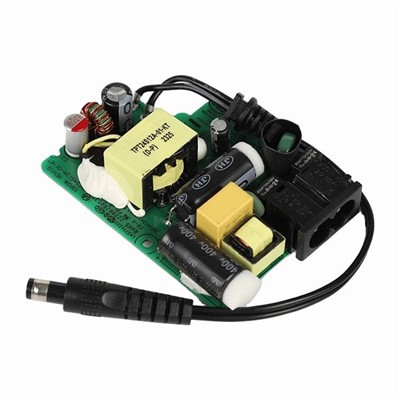

As a supplier of Telecom PSUs, I've witnessed firsthand the dynamic evolution of the telecom power supply industry. In this blog, I'll delve into the future development trends of Telecom PSUs, exploring the technological advancements, market demands, and regulatory influences that are shaping the path ahead.
Technological Advancements Driving Innovation
One of the most significant trends in the future of Telecom PSUs is the continuous push towards higher efficiency. As energy costs rise and environmental concerns become more pressing, telecom operators are increasingly demanding power supplies that can convert electrical energy with minimal loss. This has led to the development of advanced power conversion topologies, such as resonant converters and digital power control techniques. These technologies not only improve efficiency but also enhance the reliability and stability of the power supply.
For instance, the use of wide-bandgap semiconductors, like gallium nitride (GaN) and silicon carbide (SiC), is becoming more prevalent in Telecom PSUs. These materials offer superior electrical properties compared to traditional silicon, allowing for higher switching frequencies and lower conduction losses. As a result, power supplies can be made smaller, lighter, and more efficient. [1]
Another technological trend is the integration of smart features into Telecom PSUs. With the advent of the Internet of Things (IoT) and the need for remote monitoring and management, power supplies are now being equipped with sensors and communication interfaces. This enables operators to monitor the performance of the power supply in real-time, detect potential issues before they become critical, and optimize the power consumption of the telecom equipment. For example, a Telecom PSU with built-in intelligence can adjust its output voltage and current based on the load requirements, reducing energy waste.
Market Demands Shaping the Industry
The growth of 5G technology is having a profound impact on the Telecom PSU market. 5G networks require more power-hungry base stations and data centers to support the increased data traffic and faster speeds. This has led to a surge in demand for high-power, high-density Telecom PSUs that can meet the stringent requirements of 5G infrastructure.

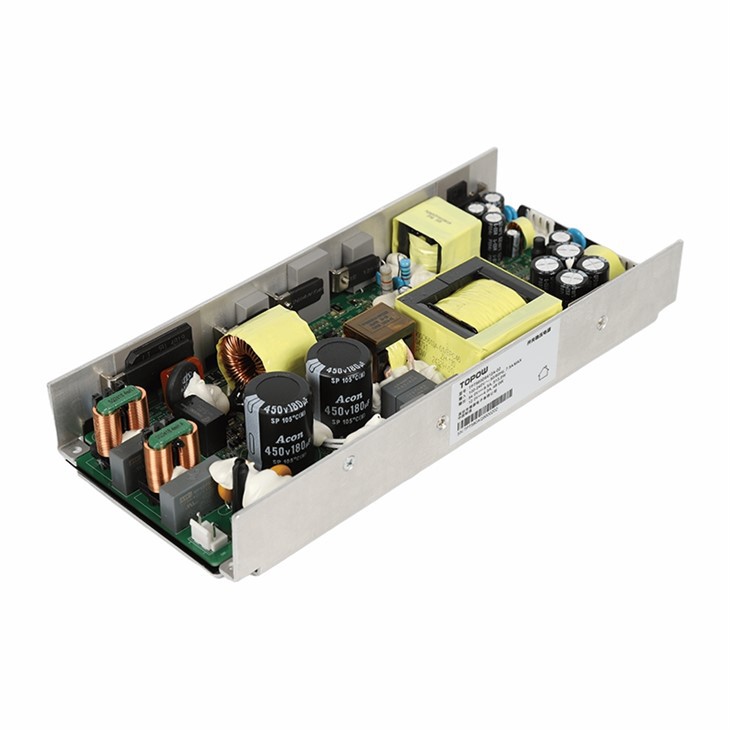
In addition to 5G, the expansion of cloud computing and edge computing is also driving the demand for Telecom PSUs. Cloud data centers need reliable and efficient power supplies to ensure the continuous operation of their servers, while edge computing devices, such as small cells and routers, require compact and low-power PSUs. As a result, there is a growing need for Server-Grade Power Supply Board and Dual Channel Industrial Power Board that can cater to these diverse applications.
Moreover, the increasing adoption of renewable energy sources in the telecom industry is creating new opportunities for Telecom PSUs. Solar and wind power are becoming more popular as a means of reducing the carbon footprint of telecom operations. However, these renewable energy sources are intermittent, and power storage solutions are needed to ensure a stable power supply. Telecom PSUs can play a crucial role in integrating renewable energy sources with the existing power grid and managing the energy storage systems.
Regulatory Influences on the Future of Telecom PSUs
Regulatory requirements are also shaping the future development of Telecom PSUs. Governments around the world are implementing stricter energy efficiency standards and environmental regulations to reduce energy consumption and greenhouse gas emissions. For example, the European Union's Ecodesign Directive sets minimum energy efficiency requirements for power supplies, including Telecom PSUs. Compliance with these regulations is not only a legal obligation but also a competitive advantage for suppliers.
In addition to energy efficiency, there are also regulations regarding electromagnetic compatibility (EMC) and safety. Telecom PSUs must meet strict EMC standards to ensure that they do not interfere with other electronic devices in the vicinity. Safety regulations, such as UL and IEC standards, ensure that the power supply is designed and manufactured to prevent electrical hazards.
Challenges and Opportunities for Telecom PSU Suppliers
While the future of Telecom PSUs looks promising, there are also several challenges that suppliers need to overcome. One of the main challenges is the increasing competition in the market. As the demand for Telecom PSUs grows, more suppliers are entering the market, leading to price pressure and a need for differentiation. To stay competitive, suppliers need to invest in research and development to develop innovative products that offer better performance, higher efficiency, and more features.
Another challenge is the rapid pace of technological change. The telecom industry is evolving at a breakneck speed, and suppliers need to keep up with the latest trends and technologies to meet the changing needs of their customers. This requires a continuous investment in technology and a willingness to adapt to new market conditions.
However, these challenges also present opportunities for Telecom PSU suppliers. By focusing on innovation and differentiation, suppliers can develop unique products that stand out in the market. For example, a supplier that specializes in high-efficiency power supplies can target customers who are looking to reduce their energy costs. Similarly, a supplier that offers smart power supplies with advanced monitoring and management features can appeal to customers who are interested in optimizing their telecom operations.
Conclusion
In conclusion, the future development trends of Telecom PSUs are driven by technological advancements, market demands, and regulatory influences. The industry is moving towards higher efficiency, smarter features, and greater integration with renewable energy sources. While there are challenges ahead, there are also significant opportunities for suppliers who are able to adapt to the changing landscape.
As a Telecom PSU supplier, I am excited about the future of the industry. We are committed to investing in research and development to develop innovative products that meet the evolving needs of our customers. If you are interested in learning more about our Telecom PSUs or have any specific requirements, please feel free to contact us for a procurement discussion. We look forward to working with you to provide the best power solutions for your telecom applications.
References
[1] "Wide-Bandgap Semiconductors in Power Electronics: A Review," IEEE Transactions on Power Electronics, Vol. 32, No. 2, February 2017.