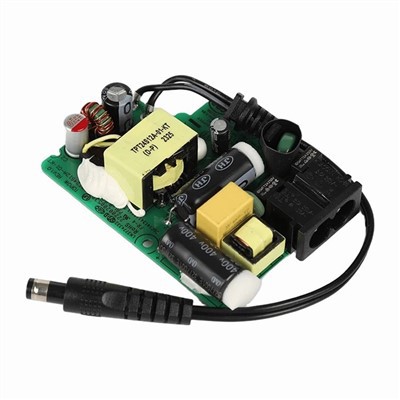

As a leading supplier of Electrical Scooter Charger, I've delved deep into the factors that affect the charging speed of electrical scooter chargers. One crucial aspect that often gets overlooked is the impact of different weather conditions. In this blog, I'll explore how weather can influence the charging speed of our electrical scooter chargers and what you can do to optimize the charging process.
Understanding the Basics of Electrical Scooter Charging
Before we dive into the effects of weather, it's essential to understand how electrical scooter chargers work. Most electrical scooters use lithium - ion batteries, which are known for their high energy density and long lifespan. The charger's primary function is to convert the alternating current (AC) from the power outlet into direct current (DC) that the battery can store.
The charging process typically consists of two main stages: the constant - current stage and the constant - voltage stage. In the constant - current stage, the charger supplies a fixed current to the battery, rapidly increasing its charge level. Once the battery reaches a certain voltage, the charger switches to the constant - voltage stage, where it maintains a steady voltage while gradually reducing the current until the battery is fully charged.
Impact of Temperature on Charging Speed
Temperature is one of the most significant weather - related factors that affect the charging speed of electrical scooter chargers.
Cold Weather
In cold weather, the chemical reactions within the lithium - ion battery slow down. Lithium - ion batteries have an optimal operating temperature range, usually between 20°C and 40°C (68°F - 104°F). When the temperature drops below this range, the battery's internal resistance increases.
As the internal resistance rises, the charger has to work harder to push the same amount of current into the battery. This results in a slower charging speed. For example, if you try to charge your electrical scooter outside on a freezing winter day (say, 0°C or 32°F), the charging process could take significantly longer compared to charging in a warm environment.
Moreover, charging a lithium - ion battery at extremely low temperatures can be dangerous. It can lead to the formation of lithium metal on the battery's anode, which can cause short - circuits and reduce the battery's overall lifespan.
Hot Weather
On the other hand, high temperatures can also have a negative impact on the charging speed. When the temperature is above the optimal range, the battery's self - discharge rate increases. This means that the battery is losing charge even while it's being charged.
In addition, high temperatures can cause the electrolyte in the battery to break down, which can damage the battery over time. Although the chemical reactions are faster at higher temperatures, the overall charging efficiency decreases due to the self - discharge and potential electrolyte degradation. For instance, if you charge your scooter on a scorching summer day with temperatures above 40°C (104°F), the charger may need to take breaks to prevent overheating, further slowing down the charging process.
Humidity and Charging Speed
Humidity is another weather factor that can affect the charging speed of electrical scooter chargers. High humidity levels can lead to condensation inside the charger or the battery compartment. Condensation can cause electrical shorts and corrosion of the charger's internal components.
If the charger's components are corroded, the electrical conductivity decreases, which means that the charger may not be able to deliver the required current efficiently. This can result in a slower charging speed. Additionally, moisture can also damage the battery terminals, making it more difficult for the charger to establish a proper connection with the battery.

Other Weather - Related Factors
Rain and Snow
Rain and snow can directly damage the charger and the electrical scooter's charging port. Water can seep into the charger, causing short - circuits and rendering it useless. Even if the charger is protected by a waterproof casing, the charging port on the scooter may be vulnerable. If water gets into the charging port, it can cause corrosion and poor electrical contact, which will slow down or even prevent the charging process.
Wind
While wind may not have a direct impact on the charging speed, it can indirectly affect it by influencing the temperature. Strong winds can cause rapid cooling in cold weather, making the battery even colder and further reducing the charging speed. In hot weather, however, a gentle breeze can help dissipate heat from the charger and the battery, potentially improving the charging efficiency.
Optimizing Charging Speed in Different Weather Conditions
As a supplier of Electrical Scooter Charger, we understand the importance of ensuring optimal charging performance in all weather conditions. Here are some tips to help you optimize the charging speed:
Cold Weather
- Charge indoors: Whenever possible, bring your electrical scooter inside to a warm place before charging. This will help the battery reach a more optimal temperature and speed up the charging process.
- Use a battery warmer: There are battery warmers available on the market that can be used to pre - heat the battery before charging. This can reduce the internal resistance of the battery and improve the charging speed.
Hot Weather
- Charge in a shaded area: Avoid charging your scooter in direct sunlight. Instead, find a shaded spot where the temperature is lower.
- Allow for ventilation: Make sure that the charger and the battery have proper ventilation during the charging process. This will help dissipate heat and prevent overheating.
High Humidity
- Keep the charger dry: Store the charger in a dry place and avoid exposing it to high humidity for extended periods. If the charger gets wet, dry it thoroughly before using it again.
Our Product Range
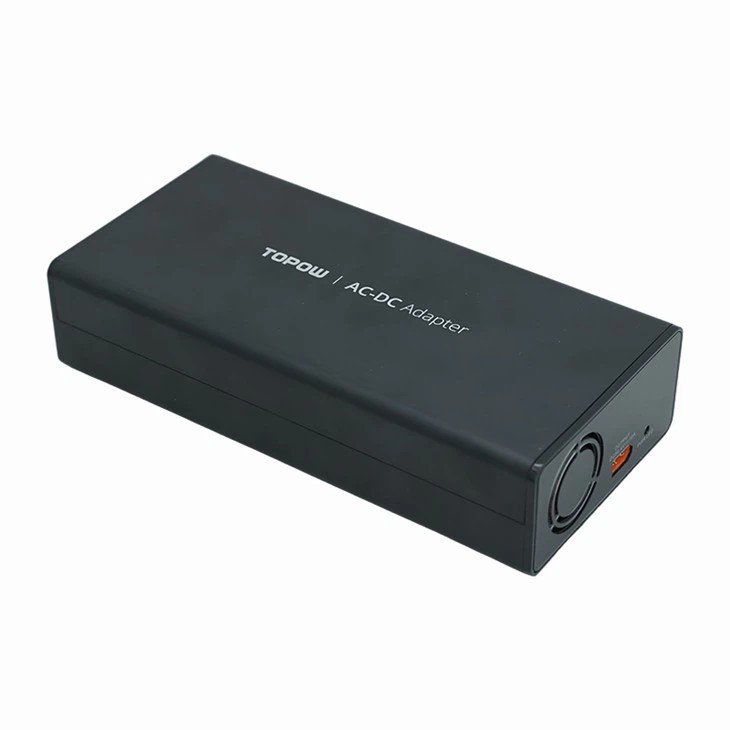
We offer a wide range of chargers to meet the diverse needs of our customers. Our EV Charger 48v is designed to provide efficient and reliable charging for electrical scooters with 48 - volt batteries. It has built - in temperature sensors that can adjust the charging current based on the battery's temperature, ensuring optimal charging performance in different weather conditions.
In addition, our 100A Battery Charger is suitable for high - capacity batteries. It can deliver a high current during the constant - current stage, significantly reducing the charging time. However, it also has advanced safety features to prevent overheating and overcharging, even in extreme weather conditions.
Conclusion
The charging speed of an electrical scooter charger is significantly influenced by different weather conditions. Temperature, humidity, rain, snow, and wind can all have a direct or indirect impact on the charging process. As a supplier, we are committed to providing high - quality chargers that can perform well in various weather scenarios.
If you are interested in our Electrical Scooter Charger products or have any questions about charging speed and weather conditions, please feel free to contact us for further discussion and potential procurement. We look forward to partnering with you to ensure the best charging experience for your electrical scooters.
References
- Linden, D., & Reddy, T. B. (2002). Handbook of Batteries. McGraw - Hill.
- Tarascon, J. M., & Armand, M. (2001). Issues and challenges facing rechargeable lithium batteries. Nature, 414(6861), 359 - 367.