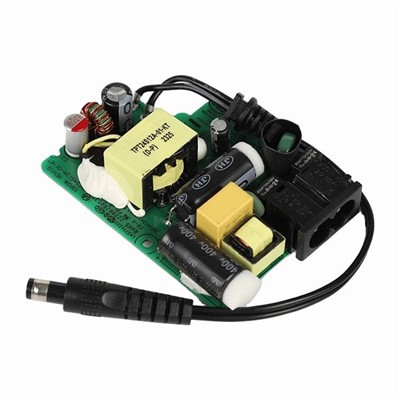

As a supplier of EV Charger 48v, I often encounter inquiries from customers regarding the electromagnetic interference (EMI) level of our chargers. In this blog post, I aim to provide a comprehensive understanding of what the electromagnetic interference level of an EV Charger 48v is, why it matters, and how our products are designed to meet the relevant standards.
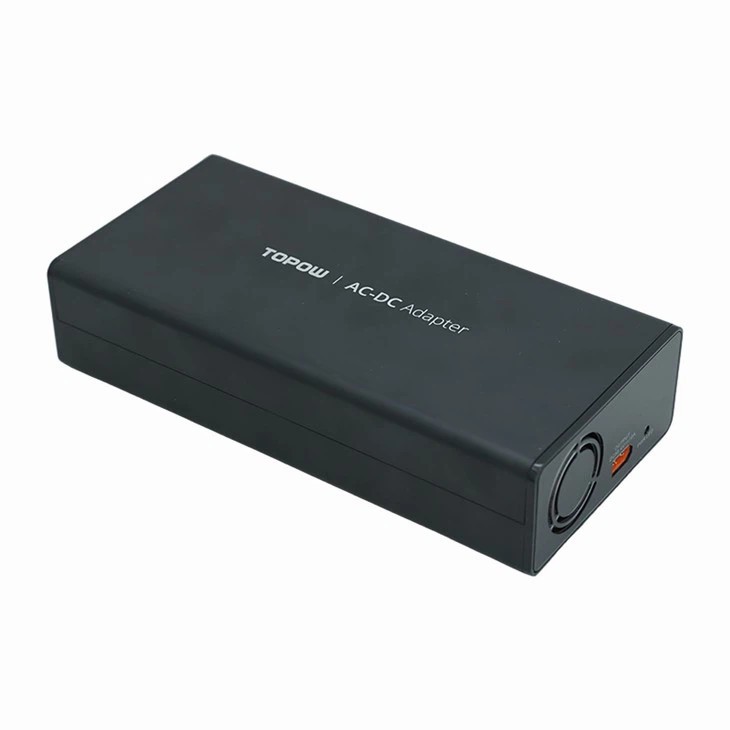

Understanding Electromagnetic Interference
Electromagnetic interference, also known as radio-frequency interference (RFI) when referring to the radio frequency spectrum, is the disturbance that affects an electrical circuit due to either electromagnetic induction or electromagnetic radiation emitted from an external source. In the context of an EV Charger 48v, EMI can be generated during the charging process, primarily due to the high - frequency switching of power electronics components.
When the charger converts the input AC power to DC power suitable for charging the battery, it uses power semiconductor devices such as MOSFETs or IGBTs. These devices switch on and off at high frequencies, which can create rapid changes in current and voltage. These rapid changes generate electromagnetic fields that can radiate into the surrounding environment or couple into other electrical circuits, causing interference.
Why EMI Level Matters
The EMI level of an EV Charger 48v is of great importance for several reasons. Firstly, excessive EMI can disrupt the normal operation of other electronic devices in the vicinity. For example, it may interfere with radio and television reception, Wi - Fi routers, or other wireless communication devices. This can lead to poor signal quality, loss of data, or even complete malfunction of these devices.
Secondly, from a safety perspective, high EMI levels can also pose a risk to the proper functioning of safety - critical systems. In an automotive or industrial environment, where the charger may be used, interference with control systems or sensors can have serious consequences. Therefore, it is essential to keep the EMI level of the charger within acceptable limits to ensure the safety and reliability of the overall system.
Measuring EMI Level
The EMI level of an EV Charger 48v is typically measured in terms of radiated and conducted emissions. Radiated emissions refer to the electromagnetic fields that are radiated into the air from the charger, while conducted emissions are the interference that is conducted through the power lines or signal cables connected to the charger.
To measure these emissions, specialized test equipment such as spectrum analyzers and EMI receivers are used. These instruments can measure the strength of the electromagnetic signals at different frequencies within the relevant frequency bands. International standards such as CISPR (International Special Committee on Radio Interference) and FCC (Federal Communications Commission) have defined the maximum allowable EMI levels for electrical and electronic equipment, including EV chargers.
Our EV Charger 48v and EMI Mitigation
At our company, we understand the importance of keeping the EMI level of our EV Charger 48v under control. We have implemented a series of design and manufacturing techniques to minimize EMI emissions.
One of the key measures is the use of proper shielding. Our chargers are enclosed in metal casings that act as a Faraday cage, which can effectively block the radiated electromagnetic fields. The metal casing is grounded to ensure that any induced currents are safely dissipated to the ground.
In addition, we use high - quality electromagnetic interference filters in our chargers. These filters are designed to suppress the conducted emissions by attenuating the high - frequency noise on the power lines. The filters are carefully selected and designed to meet the specific requirements of the charger and comply with the relevant EMI standards.
We also pay close attention to the layout and routing of the printed circuit boards (PCBs) inside the charger. By carefully arranging the components and traces on the PCB, we can minimize the loop areas where the electromagnetic fields are generated, reducing the radiated emissions. Moreover, we use proper decoupling capacitors to suppress the high - frequency noise at the power supply pins of the components.
Comparison with Other Chargers
When compared to some of the chargers in the market, our EV Charger 48v has a distinct advantage in terms of EMI performance. Many low - cost chargers may not have proper EMI mitigation measures in place, which can result in high EMI levels. These chargers may cause interference with other devices and may not comply with the relevant standards.
On the other hand, our chargers are designed and tested to meet the strictest international EMI standards. We invest in research and development to continuously improve our EMI mitigation techniques, ensuring that our chargers not only provide reliable charging performance but also have minimal impact on the surrounding electromagnetic environment.
Applications and Compatibility
Our EV Charger 48v is suitable for a wide range of applications. It can be used to charge electric bikes, electrical scooters, and other small electric vehicles. For electric bike users, our Portable Ebike Battery Charger offers a convenient and reliable charging solution. Its low EMI level ensures that it will not interfere with the electronic components on the bike, such as the motor controller or the display unit.
Similarly, for electrical scooter owners, our Electrical Scooter Charger provides a safe and efficient charging option. The charger's compliance with EMI standards means that it can be used in various environments without causing interference to other devices.
Contact Us for Purchase and Negotiation
If you are interested in our EV Charger 48v or have any questions regarding its EMI level or other features, we encourage you to contact us. Our team of experts is ready to provide you with detailed information, technical support, and pricing quotes. We are committed to providing high - quality charging solutions that meet your specific needs. Whether you are a distributor, an OEM manufacturer, or an end - user, we look forward to discussing your requirements and establishing a long - term business relationship with you.
References
- CISPR 11: Industrial, scientific and medical (ISM) radio - frequency equipment - Radio - frequency disturbance characteristics - Limits and methods of measurement.
- FCC Part 15: Rules and regulations for radio frequency devices in the United States.
- "Electromagnetic Compatibility Engineering" by Henry W. Ott.