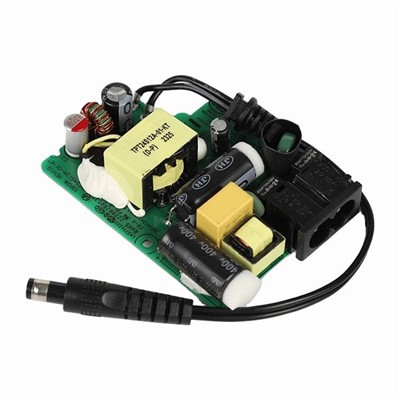

Hey there! As a supplier of AC adapters for PCs, I often get asked about the output power of these adapters. It's a crucial topic because getting the right output power is essential for the proper functioning of your PC. So, let's dive right in and explore what the output power of an AC adapter for a PC is all about.
Understanding Output Power
First things first, what exactly is the output power of an AC adapter? Well, the output power is basically the amount of electrical energy that the adapter can supply to your PC. It's measured in watts (W). You can think of it as the "juice" that keeps your computer up and running.
When your PC is turned on, it requires a certain amount of power to operate all its components, like the CPU, GPU, hard drive, and other peripherals. The AC adapter's job is to convert the alternating current (AC) from your wall outlet into direct current (DC) and deliver the right amount of power to your PC.
Factors Affecting Output Power Requirements
The output power required by a PC can vary widely depending on several factors. Let's take a look at some of the key factors:


PC Type and Usage
- Desktop PCs: These can have different power requirements based on their configuration. A basic office desktop with a low - power CPU and integrated graphics might not need a lot of power. On the other hand, a high - end gaming desktop with a powerful CPU, a dedicated graphics card, and multiple hard drives will demand much more power. For example, a simple office desktop might get by with a 24w Power Adapter, while a gaming rig could need a Gaming PC Adapter with much higher output power.
- Laptop PCs: Laptops are generally more power - efficient than desktops. Their power requirements depend on the screen size, CPU performance, and whether they have a dedicated graphics card. A small, ultra - portable laptop might only need a 30 - 45W adapter, while a high - performance gaming laptop could require 100W or more.
Component Power Consumption
- CPU: The central processing unit is one of the most power - hungry components in a PC. High - end CPUs can consume a significant amount of power, especially when they are under heavy load, like during gaming or video editing.
- GPU: Graphics processing units, especially those used in gaming and professional graphics work, can draw a large amount of power. A high - end gaming GPU can consume several hundred watts on its own.
- Other Components: Peripherals like hard drives, SSDs, and USB devices also contribute to the overall power consumption of the PC. For instance, a mechanical hard drive typically consumes more power than an SSD.
Common Output Power Ratings
Here are some common output power ratings for AC adapters used in PCs and what they are typically used for:
24W - 45W
These low - power adapters are usually used for small, energy - efficient laptops or basic desktop PCs with minimal components. They are suitable for tasks like web browsing, word processing, and light multimedia consumption. If you have a simple home or office setup, a 24w Power Adapter might be all you need.
65W - 90W
This range is common for mid - range laptops. These laptops often have more powerful CPUs and may come with integrated graphics. They can handle more demanding tasks like photo editing and some light gaming.
100W - 200W
High - performance laptops, especially gaming laptops and those used for professional work like video editing and 3D modeling, usually require adapters in this power range. They can support powerful CPUs and dedicated graphics cards.
200W+
For high - end desktop PCs, especially gaming desktops and workstations, adapters with output powers of 200W or more are common. These desktops are equipped with the latest and most powerful components, and they need a lot of power to run smoothly. A 50w Power Adapter might be too low for these systems, and you'd need a more high - powered adapter.
Choosing the Right Output Power
When it comes to choosing the right output power for your PC's AC adapter, it's important to get it right. Here's why:
Too Low Output Power
If you use an adapter with too low an output power, your PC might not function properly. It could experience frequent shutdowns, slow performance, or the components might not work at their full capacity. For example, if you try to run a high - end gaming PC with a low - power adapter, the CPU and GPU might throttle to reduce power consumption, resulting in poor gaming performance.
Too High Output Power
Using an adapter with too high an output power won't necessarily damage your PC, but it can be wasteful. You'll be paying for more power than your PC actually needs, and the adapter might be larger and heavier than necessary.
To choose the right adapter, you can check the specifications of your PC's components or refer to the manufacturer's recommendations. If you're still unsure, you can consult with a PC technician.
Our Offerings as a Supplier
As a supplier of AC adapters for PCs, we offer a wide range of adapters with different output power ratings. Whether you need a 24w Power Adapter for your basic laptop or a Gaming PC Adapter for your high - end gaming rig, we've got you covered.
Our adapters are designed to be reliable, efficient, and safe. We use high - quality materials and advanced manufacturing processes to ensure that our products meet the highest standards. We also offer competitive prices and excellent customer service.
Contact Us for Procurement
If you're in the market for AC adapters for your PCs, we'd love to hear from you. Whether you're a business looking to purchase in bulk or an individual looking for a replacement adapter, we can provide you with the right solution. Just reach out to us, and we'll work with you to find the best adapters for your needs.
References
- Computer Power Supply Guide, Tom's Hardware
- Power Consumption of Computer Components, AnandTech
So, that's a wrap on the output power of AC adapters for PCs. I hope this blog has helped you understand this important topic better. If you have any questions or need more information, feel free to drop us a message.