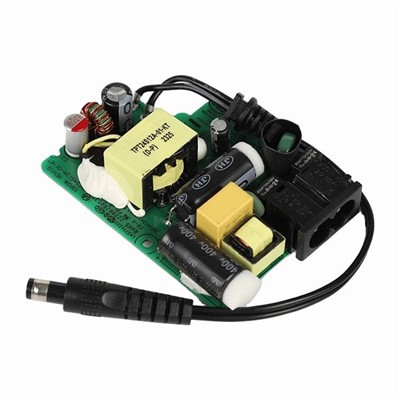

Power conversion efficiency is a critical metric when it comes to micro inverters. As a micro inverter supplier, I've witnessed firsthand the importance of understanding this concept for both solar energy system installers and end - users. In this blog, I'll delve into what power conversion efficiency means for micro inverters, why it matters, and how our products stack up in this regard.
What is Power Conversion Efficiency?
Power conversion efficiency, in the context of micro inverters, refers to the ratio of the electrical power output from the inverter to the electrical power input it receives from the solar panels. It is expressed as a percentage. For example, if a micro inverter receives 100 watts of DC power from a solar panel and outputs 95 watts of AC power, its power conversion efficiency is 95%.
Mathematically, the formula for power conversion efficiency ((\eta)) is:
(\eta=\frac{P_{out}}{P_{in}}\times100%)
where (P_{out}) is the output power in watts (AC) and (P_{in}) is the input power in watts (DC).
Why is Power Conversion Efficiency Important?
Energy Yield
The higher the power conversion efficiency of a micro inverter, the more of the solar energy captured by the panels is converted into usable AC power. This directly translates to a higher energy yield over time. For residential and commercial solar installations, a more efficient micro inverter means more electricity is available for use or can be sold back to the grid, increasing the return on investment for the solar system.
System Cost - Effectiveness
A high - efficiency micro inverter can reduce the overall cost of a solar power system. Since more power is generated from the same amount of solar input, fewer panels may be required to achieve the desired power output. This not only saves on the cost of purchasing additional panels but also on the installation and maintenance costs associated with them.
Environmental Impact
In an era where sustainable energy is crucial, a more efficient micro inverter contributes to a lower carbon footprint. By converting more solar energy into usable electricity, it reduces the reliance on fossil - fuel - based power sources, thus helping to mitigate climate change.
Factors Affecting Power Conversion Efficiency
Inverter Design and Technology
Advanced semiconductor materials and circuit designs can significantly improve power conversion efficiency. For instance, the use of silicon carbide (SiC) or gallium nitride (GaN) in power electronics can reduce switching losses and improve overall efficiency compared to traditional silicon - based components.
Operating Conditions
The efficiency of a micro inverter can vary depending on the operating conditions. Temperature is a major factor; high temperatures can cause the inverter to lose efficiency. Additionally, the input voltage and current from the solar panels can also affect efficiency. Micro inverters are designed to operate within a specific range of input parameters, and deviating from this range can lead to reduced efficiency.
Load Profile
The type of load connected to the inverter can impact its efficiency. Some loads, such as motors, can have a non - linear load profile, which may cause the inverter to operate less efficiently.
Our Micro Inverters and Power Conversion Efficiency
At our company, we take great pride in the power conversion efficiency of our micro inverters. Our R & D team has worked tirelessly to develop inverters that offer industry - leading efficiency.
We use state - of - the - art semiconductor technology and innovative circuit designs to minimize losses and maximize power output. Our micro inverters are also designed to operate efficiently across a wide range of input voltages and temperatures, ensuring consistent performance in various environmental conditions.
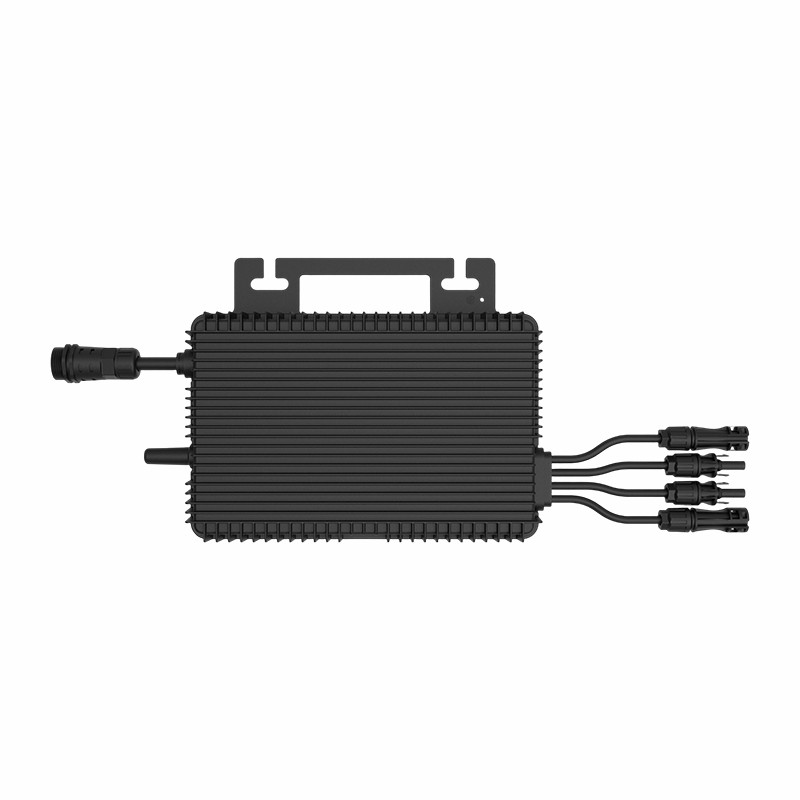
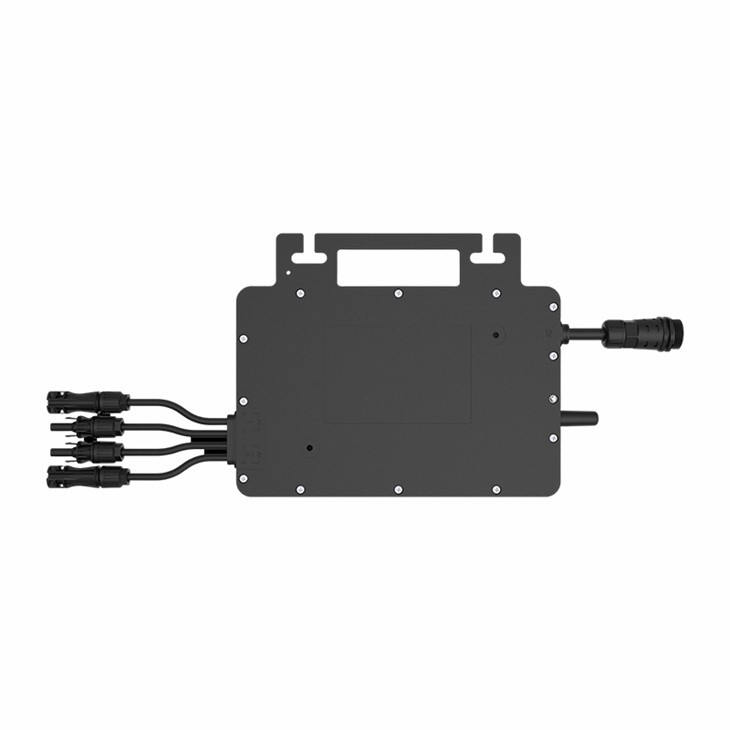
One of our flagship products, the 800w Micro Inverter, boasts an impressive power conversion efficiency of up to 97%. This high efficiency means that more of the solar energy captured by the panels is converted into usable AC power, providing our customers with a higher energy yield and better return on investment.
Measuring and Testing Power Conversion Efficiency
To ensure the accuracy of our efficiency claims, we subject our micro inverters to rigorous testing procedures. We use industry - standard testing equipment and follow international standards such as IEC 61850 and UL 1741.
During testing, we measure the input and output power of the inverter under various operating conditions, including different input voltages, temperatures, and load profiles. This comprehensive testing allows us to provide our customers with reliable efficiency data and ensure that our products meet or exceed their expectations.
Comparing Our Micro Inverters with Competitors
When comparing our micro inverters with those of our competitors, our high power conversion efficiency sets us apart. Many competing products may offer lower efficiency, which can result in lower energy yields and higher system costs over time.
In addition to efficiency, our micro inverters also offer other advantages, such as advanced monitoring and control features, easy installation, and high reliability. These features, combined with our high - efficiency performance, make our products the preferred choice for solar energy system installers and end - users.
The Future of Power Conversion Efficiency in Micro Inverters
As the demand for solar energy continues to grow, the importance of power conversion efficiency in micro inverters will only increase. We expect to see further advancements in semiconductor technology and inverter design, leading to even higher efficiency levels.
For example, the development of new materials and circuit topologies may enable micro inverters to achieve efficiencies of over 98% in the near future. Additionally, the integration of smart grid technologies and energy storage systems may require micro inverters to operate more efficiently and flexibly, further driving the need for innovation in this area.
Conclusion
Power conversion efficiency is a crucial factor to consider when choosing a micro inverter for a solar power system. As a micro inverter supplier, we are committed to providing our customers with high - efficiency products that offer a high energy yield, cost - effectiveness, and environmental sustainability.
Our 800w Micro Inverter and other products are designed to meet the highest standards of efficiency and performance. If you are interested in learning more about our micro inverters or would like to discuss a potential purchase, please feel free to contact us. We look forward to working with you to help you achieve your solar energy goals.
References
- International Electrotechnical Commission (IEC). IEC 61850 - Communication networks and systems for power utility automation.
- Underwriters Laboratories (UL). UL 1741 - Standard for inverters, converters, controllers and interconnection system equipment for use with distributed energy resources.