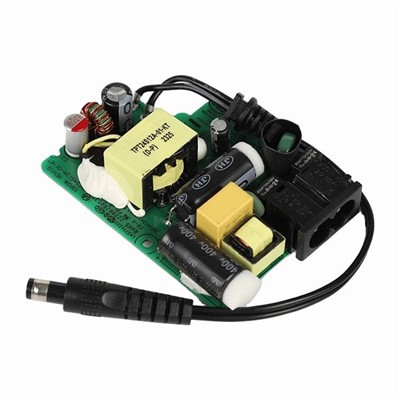

As a provider of charging solutions, I often encounter customers who are unsure whether their devices support a particular charging solution. This is a crucial question, as using an incompatible charger can not only lead to inefficient charging but also pose risks to the device and even personal safety. In this blog post, I'll share some key factors and steps to help you determine if your device supports a specific charging solution.
Understanding Device Charging Requirements
The first step in figuring out if your device supports a particular charging solution is to understand its charging requirements. These requirements are typically specified by the device manufacturer and can be found in the user manual, on the device itself, or on the manufacturer's official website.
Voltage and Current Ratings
Voltage and current are two fundamental electrical parameters that determine the compatibility between a charger and a device. Voltage is the electrical potential difference that drives the flow of electric current, while current is the rate of flow of electric charge.
Most electronic devices have a specific voltage range within which they can safely operate. For example, a smartphone might require a charger that provides a voltage of 5V, while a laptop could need a charger with a voltage of 19V or higher. Using a charger with a voltage that is too high or too low can damage the device's battery or other components.
Similarly, the current rating of the charger also matters. A charger with a higher current rating can charge the device faster, but if the device cannot handle the high current, it may overheat or experience other issues. On the other hand, a charger with a lower current rating than the device requires will result in slower charging.
For instance, if you have an Electrical Scooter Charger, you need to check the voltage and current ratings of the scooter's battery. The charger should have the same or slightly higher voltage and an appropriate current rating to ensure safe and efficient charging.
Charging Protocols
In addition to voltage and current, many modern devices use specific charging protocols to optimize the charging process. These protocols can communicate between the device and the charger to adjust the charging parameters dynamically.
For example, Qualcomm Quick Charge, USB Power Delivery (USB PD), and Apple's MagSafe Charging are all popular charging protocols. If your device supports a particular protocol, you need to use a charger that is compatible with that protocol to take advantage of its fast - charging capabilities.
Some devices may support multiple charging protocols, while others may only support one. To find out which protocols your device supports, you can refer to the device's documentation or contact the manufacturer.
Checking the Charger Specifications
Once you understand your device's charging requirements, the next step is to check the specifications of the charger you are considering.


Manufacturer's Information
The first thing to look at is the manufacturer's information on the charger. Reputable charger manufacturers usually provide detailed specifications on the charger itself or in the product manual. This information should include the output voltage, current, and any supported charging protocols.
Make sure that the charger is from a reliable brand and has been tested for safety. Chargers from unknown or untrusted sources may not meet the necessary safety standards and can pose a risk to your device and personal safety.
Compatibility Labels
Some chargers come with compatibility labels that indicate which types of devices they are suitable for. For example, a charger may be labeled as "Compatible with smartphones and tablets" or "For laptops with a specific voltage requirement." These labels can give you a quick idea of whether the charger is likely to be compatible with your device.
However, it's important to note that these labels are not always comprehensive, and you still need to check the detailed specifications to be sure.
Testing the Charger with Your Device
If you're still unsure whether a charger is compatible with your device after checking the device and charger specifications, you can perform a simple test.
Initial Connection
Before fully connecting the charger to your device, make sure the charger is plugged into a power source. Then, connect the charger to your device and observe what happens. If the device starts charging normally and there are no signs of overheating, strange noises, or error messages, it's a good indication that the charger is compatible.
However, if the device does not start charging, or if you notice any abnormal behavior such as the device getting too hot or shutting down unexpectedly, immediately disconnect the charger. This could mean that the charger is not compatible or there is a problem with the charger or the device.
Monitoring the Charging Process
Once the device starts charging, monitor the charging process for a while. Check the charging speed and compare it with what you expect based on the device's normal charging behavior. If the charging speed is significantly slower or faster than usual, it could be a sign of an incompatible charger.
Special Considerations for Different Types of Devices
Smartphones and Tablets
Smartphones and tablets are among the most common devices that people use chargers for. These devices usually have relatively standard charging requirements, but they may also support fast - charging technologies.
When choosing a charger for your smartphone or tablet, make sure it has the correct voltage (usually 5V) and an appropriate current rating. If your device supports fast charging, look for a charger that is compatible with the relevant charging protocol, such as Qualcomm Quick Charge or USB PD.
Laptops
Laptops have more specific charging requirements compared to smartphones and tablets. They usually require a charger with a higher voltage, typically in the range of 12V - 20V or more.
It's crucial to use a charger that is specifically designed for your laptop model. Using an incompatible charger can not only damage the laptop's battery but also other internal components.
Electric Vehicles (EVs)
EVs, such as electric cars and EV Charger 48v - compatible vehicles, have very high - power charging requirements. The charging process for EVs is also more complex and requires specialized chargers.
When considering an EV charger, you need to ensure that it is compatible with your vehicle's battery voltage, capacity, and charging protocol. You may also need to consult with the vehicle manufacturer or a professional EV charging installer to ensure proper installation and operation.
Electrical Scooters
Electrical scooters are becoming increasingly popular as a convenient and eco - friendly mode of transportation. If you own an electrical scooter, you need to use a charger that is specifically designed for it.
For example, a 58V Battery Charger is suitable for scooters with a 58V battery. Using the wrong charger can damage the scooter's battery and reduce its lifespan.
Conclusion
Determining whether your device supports a particular charging solution requires a combination of understanding your device's charging requirements, checking the charger specifications, and, if necessary, testing the charger with your device. By following the steps outlined in this blog post, you can make an informed decision and choose a charger that is safe and compatible with your device.
If you have any further questions about charging solutions or need help in finding the right charger for your device, please feel free to contact us. We are a professional charging solution provider, and we are committed to providing high - quality, compatible charging solutions for a wide range of devices. Our team of experts can assist you in selecting the most suitable charger based on your specific needs.
References
- Manufacturer's user manuals for various electronic devices.
- Industry standards and guidelines for charging technologies.