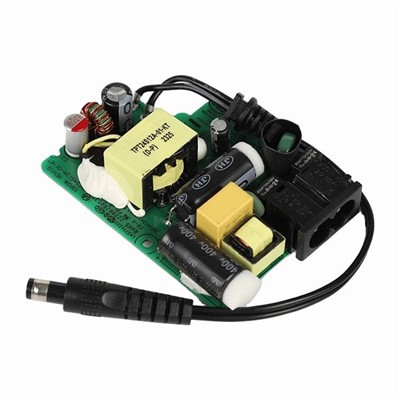

Hey there! I'm an EV Charger 48v supplier, and I often get asked this question: Can an EV Charger 48v charge batteries with different chemistries? Well, let's dive right into it and break it down.
First off, we need to understand the different battery chemistries out there. There are a few common ones like lead - acid, lithium - ion, and nickel - metal hydride (NiMH). Each of these has its own unique characteristics, charging requirements, and safety considerations.
Let's start with lead - acid batteries. These have been around for a long time and are commonly used in things like golf carts and some older electric vehicles. Lead - acid batteries are known for being relatively cheap, but they're also heavy and have a limited lifespan compared to some other chemistries. A 48v lead - acid battery typically has a specific charging profile. It usually needs a constant - current charging phase followed by a constant - voltage phase. During the constant - current phase, the charger pumps in a steady amount of current until the battery reaches a certain voltage level. Then, the charger switches to the constant - voltage mode to top off the battery without overcharging it.
Now, when it comes to using a 48v EV charger on a lead - acid battery, it can work, but it has to be set up correctly. The charger needs to be adjusted to match the lead - acid battery's charging requirements. If the charger isn't properly configured, it could overcharge the battery, which can lead to reduced battery life, overheating, and even the risk of explosion in extreme cases. So, if you're thinking about using our EV Charger 48v on a lead - acid battery, make sure it has the right settings or can be easily adjusted.
Next up, lithium - ion batteries. These are the darlings of the modern electric vehicle world. They're lightweight, have a high energy density, and can handle a large number of charge - discharge cycles. Lithium - ion batteries also have a very specific charging process. They need a charger that can precisely control the voltage and current to ensure safe and efficient charging. Overcharging a lithium - ion battery can cause thermal runaway, which is a serious safety hazard.
A 48v EV charger can charge a lithium - ion battery, but again, it depends on the charger's compatibility. Some lithium - ion batteries have built - in battery management systems (BMS) that regulate the charging process. In this case, the charger needs to work in harmony with the BMS. Our EV Charger 48v is designed to be flexible and can be configured to work with many types of lithium - ion batteries, but it's always a good idea to double - check the battery's specifications before connecting.
Then there are nickel - metal hydride (NiMH) batteries. These were popular in hybrid vehicles for a while. NiMH batteries have a different charging curve compared to lead - acid and lithium - ion batteries. They're more forgiving when it comes to overcharging compared to lithium - ion batteries, but overcharging can still cause the battery to heat up and lose capacity over time.
Using a 48v EV charger on a NiMH battery is possible, but similar to the other chemistries, the charger needs to be set up correctly. The charger should be able to adjust the charging current and voltage according to the NiMH battery's needs.
So, to answer the question of whether an EV Charger 48v can charge batteries with different chemistries, the short answer is yes, but with a big caveat. It depends on the charger's flexibility and the ability to be adjusted to match the specific charging requirements of each battery chemistry.
Now, let's talk about some of the benefits of using our EV Charger 48v. Our charger is designed with advanced technology that allows for easy adjustment of charging parameters. Whether you're dealing with lead - acid, lithium - ion, or NiMH batteries, our charger can be fine - tuned to provide the optimal charging conditions. This not only ensures the safety of your batteries but also extends their lifespan.
Another great thing about our charger is its reliability. We've put our chargers through rigorous testing to make sure they can handle the demands of different battery chemistries. You don't have to worry about sudden breakdowns or malfunctions that could damage your batteries.
If you're in the market for a charger for your electrical scooters, we also have a great option in our Electrical Scooter Charger. Electrical scooters often use 48v batteries, and our charger is specifically designed to meet their charging needs. It's compact, efficient, and can charge your scooter's battery quickly and safely.
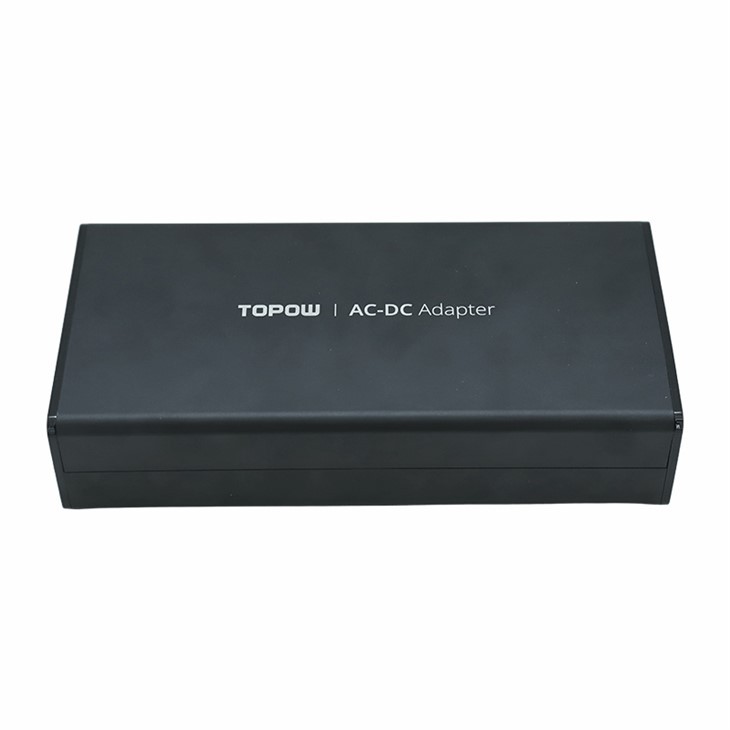

And if you're looking for a charger for a 58V battery, we've got you covered too. Check out our 58V Battery Charger. It's built with the same high - quality standards as our 48v charger and can handle the unique requirements of 58V batteries.
In conclusion, while an EV Charger 48v can charge batteries with different chemistries, it's crucial to ensure proper configuration and compatibility. Our chargers are designed to make this process as easy and safe as possible. If you're interested in learning more about our products or have any questions about charging different battery chemistries, don't hesitate to reach out. We're here to help you find the best charging solution for your needs. Whether you're a hobbyist with a small electric project or a business owner looking to power your fleet of electric vehicles, we've got the right charger for you. So, let's start a conversation and see how we can work together to keep your batteries charged and your vehicles running smoothly.
References
- Linden, D., & Reddy, T. B. (2002). Handbook of Batteries. McGraw - Hill.
- Bergveld, H., & Verbrugge, M. W. (2019). Batteries for Portable Devices. Springer.