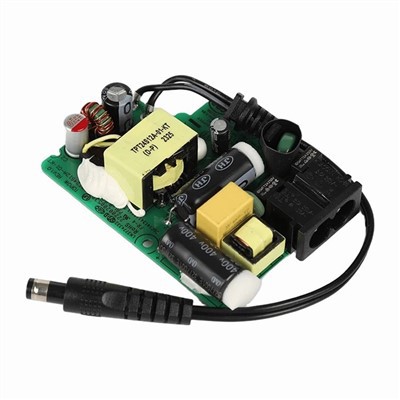

Power over Ethernet (PoE) technology has revolutionized the way network devices are powered, eliminating the need for separate power cables and simplifying installation and management. As a leading PoE power supply provider, we understand the importance of efficient power-sharing algorithms in ensuring reliable and stable power delivery to connected devices. In this blog post, we will explore the various power-sharing algorithms used in PoE power supplies and their significance in optimizing power distribution.
Understanding PoE Power Sharing
PoE power supplies are designed to deliver power to multiple devices connected to a network switch or injector. However, the total power available from the power supply is limited, and it is essential to distribute this power effectively among the connected devices to prevent overloading and ensure proper operation. Power-sharing algorithms play a crucial role in achieving this goal by dynamically allocating power based on the requirements of each device.
Common Power-Sharing Algorithms
1. Static Power Allocation
Static power allocation is the simplest power-sharing algorithm, where a fixed amount of power is assigned to each port on the PoE power supply. This approach is suitable for applications where the power requirements of the connected devices are known and relatively stable. For example, in a network with a fixed number of IP cameras, each camera can be allocated a specific amount of power based on its power consumption.


The advantage of static power allocation is its simplicity and predictability. However, it lacks flexibility and may not be suitable for applications where the power requirements of the devices vary over time. If a device requires more power than its allocated amount, it may not function properly, or the power supply may need to be upgraded to meet the increased demand.
2. Dynamic Power Allocation
Dynamic power allocation is a more advanced power-sharing algorithm that adjusts the power allocation to each port based on the real-time power requirements of the connected devices. This algorithm continuously monitors the power consumption of each device and allocates power accordingly, ensuring that the available power is used efficiently.
There are several methods for implementing dynamic power allocation, including:
- Priority-based Allocation: In this method, each device is assigned a priority level based on its importance or criticality. The power supply first allocates power to the high-priority devices and then distributes the remaining power to the lower-priority devices. This ensures that the most important devices receive sufficient power even when the total power available is limited.
- Load Balancing: Load balancing algorithms distribute the available power evenly among the connected devices to prevent overloading of any single port. This is achieved by continuously monitoring the power consumption of each device and adjusting the power allocation to maintain a balanced load across all ports.
- Power Management Protocols: Some PoE power supplies support power management protocols such as IEEE 802.3at (PoE+) and IEEE 802.3bt (4PPoE), which allow the power supply to communicate with the connected devices and negotiate the power requirements. These protocols enable the power supply to allocate power more efficiently by taking into account the actual power needs of each device.
The advantage of dynamic power allocation is its flexibility and ability to adapt to changing power requirements. It ensures that the available power is used efficiently, reducing the risk of overloading and improving the overall reliability of the network.
3. Hybrid Power Allocation
Hybrid power allocation combines the features of static and dynamic power allocation to provide a more flexible and efficient power-sharing solution. In this approach, a certain amount of power is statically allocated to each port, while the remaining power is dynamically allocated based on the real-time power requirements of the connected devices.
This hybrid approach allows for a balance between simplicity and flexibility, providing a reliable power supply while also accommodating devices with varying power requirements. It is particularly useful in applications where some devices have stable power requirements, while others may require more power depending on their usage.
Significance of Power-Sharing Algorithms in PoE Power Supplies
The choice of power-sharing algorithm in a PoE power supply can have a significant impact on the performance and reliability of the network. Here are some key benefits of using efficient power-sharing algorithms:
- Optimized Power Utilization: Power-sharing algorithms ensure that the available power is used efficiently, reducing energy waste and lowering operating costs. By dynamically allocating power based on the real-time requirements of the connected devices, the power supply can avoid overloading and ensure that each device receives the necessary power to operate properly.
- Enhanced Reliability: Efficient power-sharing algorithms help to prevent overloading and overheating of the power supply and connected devices, reducing the risk of system failures and downtime. By distributing power evenly and monitoring the power consumption of each device, the power supply can detect and respond to any abnormal power usage, ensuring the stability and reliability of the network.
- Scalability: Power-sharing algorithms enable the PoE power supply to support a larger number of devices without the need for additional power sources. By dynamically allocating power based on the real-time requirements of the connected devices, the power supply can adapt to changes in the network topology and accommodate new devices as needed.
- Compatibility: Many PoE power supplies support multiple power-sharing algorithms, allowing them to be compatible with a wide range of devices and network environments. This flexibility makes it easier to integrate PoE technology into existing networks and ensures that the power supply can meet the specific requirements of different applications.
Our PoE Power Supply Solutions
As a leading PoE power supply provider, we offer a wide range of high-quality PoE switches and injectors that incorporate advanced power-sharing algorithms to ensure efficient and reliable power delivery. Our 60W POE Switch and 90W POE Injector are designed to meet the diverse needs of modern networks, providing flexible power allocation and support for a variety of devices.
Our PoE power supplies feature intelligent power management systems that use dynamic power allocation algorithms to optimize power distribution and ensure that each connected device receives the necessary power. These systems continuously monitor the power consumption of each device and adjust the power allocation in real-time, providing a reliable and efficient power supply solution.
In addition to our standard PoE power supplies, we also offer customized solutions to meet the specific requirements of our customers. Our team of experts can work with you to design and develop a PoE power supply solution that is tailored to your needs, ensuring that you get the best performance and reliability from your network.
Contact Us for PoE Power Supply Solutions
If you are looking for a reliable and efficient PoE power supply solution, we would be happy to help. Our team of experts can provide you with detailed information about our products and services, and help you choose the right PoE power supply for your application.
Contact us today to learn more about our PoE power supply solutions and how we can help you optimize your network. We look forward to working with you to provide the best PoE power supply solutions for your needs.
References
- IEEE 802.3at-2009, "IEEE Standard for Ethernet - Amendment 3: Data Terminal Equipment Power via the Media Dependent Interface," Institute of Electrical and Electronics Engineers, 2009.
- IEEE 802.3bt-2018, "IEEE Standard for Ethernet - Amendment 5: Physical Layer and Management Parameters for 2.5 Gb/s and 5 Gb/s Operation, and Power over Ethernet Enhancements," Institute of Electrical and Electronics Engineers, 2018.
- "Power over Ethernet (PoE): A Comprehensive Guide," Cisco Systems, Inc., 2021.