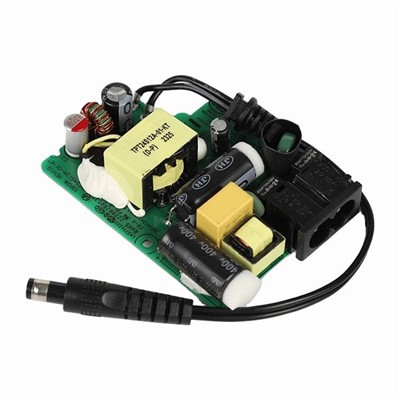

As a trusted off grid inverter supplier, I understand that installing an off grid inverter can seem like a daunting task, especially for those new to the world of off - grid power systems. However, with the right knowledge and a systematic approach, the installation process can be accomplished smoothly. In this blog, I'll guide you through the steps of installing an off grid inverter.
Step 1: Gather the Necessary Tools and Materials
Before you start the installation, make sure you have all the tools and materials on hand. You will need basic electrical tools such as a screwdriver set (both flat - head and Phillips), wire cutters, wire strippers, pliers, and a voltage tester. Additionally, you'll require appropriate cables, fuses, and mounting hardware. It's also essential to have a copy of the inverter's installation manual, which provides detailed instructions specific to your model.
Step 2: Choose the Right Location
Selecting the right location for your off grid inverter is crucial. The inverter should be installed in a well - ventilated area to prevent overheating. It should be protected from direct sunlight, moisture, and extreme temperatures. A dry, cool, and clean indoor location is often ideal. Avoid placing the inverter near flammable materials or sources of electromagnetic interference. Make sure there is enough space around the inverter for easy access during maintenance and inspection.
Step 3: Mount the Inverter
Once you've chosen the location, it's time to mount the inverter. Most off grid inverters come with mounting brackets or holes for easy installation. Use the appropriate mounting hardware to secure the inverter to the wall or a sturdy surface. Ensure that the inverter is level and firmly attached to prevent any vibrations or movement during operation.
Step 4: Connect the Battery Bank
The battery bank is an essential part of an off grid power system, and connecting it correctly to the inverter is vital. First, identify the positive (+) and negative (-) terminals on the battery bank and the inverter. Use thick, high - quality cables to connect the battery bank to the inverter. Make sure the connections are tight and free of corrosion. It's recommended to use fuses or circuit breakers between the battery bank and the inverter to protect against over - current situations.
Step 5: Connect the Solar Panels (if applicable)
If your off grid system includes solar panels, you need to connect them to the inverter. Solar panels are usually connected in series or parallel to achieve the desired voltage and current. Use appropriate cables and connectors to connect the solar panels to the charge controller, which is then connected to the inverter. The charge controller regulates the charging process and protects the battery bank from over - charging.
Step 6: Connect the AC Loads
After connecting the battery bank and solar panels (if any), it's time to connect the AC loads to the inverter. Identify the AC output terminals on the inverter and use electrical cables to connect your appliances, lights, or other devices. Make sure the total power consumption of the connected loads does not exceed the rated capacity of the inverter.
Step 7: Grounding
Proper grounding is essential for the safety and reliable operation of the off grid inverter. Connect the grounding terminal of the inverter to a suitable grounding rod or grounding system. This helps to protect against electrical shocks and lightning strikes. Use a grounding cable with the appropriate gauge and make sure the connection is secure.
Step 8: Check the Connections
Before powering on the inverter, carefully check all the connections to ensure they are correct and secure. Look for any loose wires, exposed conductors, or signs of damage. Use a voltage tester to verify that there is no voltage present at the terminals before making any connections.
Step 9: Power On the Inverter
Once you've checked all the connections, it's time to power on the inverter. Follow the instructions in the installation manual to turn on the inverter. Monitor the inverter's display or indicators to ensure that it is operating correctly. Check the battery voltage, charging status, and AC output voltage.
Step 10: Test the System
After powering on the inverter, test the off grid power system by connecting some small AC loads. Check if the appliances are working properly and if the inverter is providing a stable AC output. Monitor the system for a few hours to ensure that everything is functioning as expected.
Considerations for Different Inverter Sizes
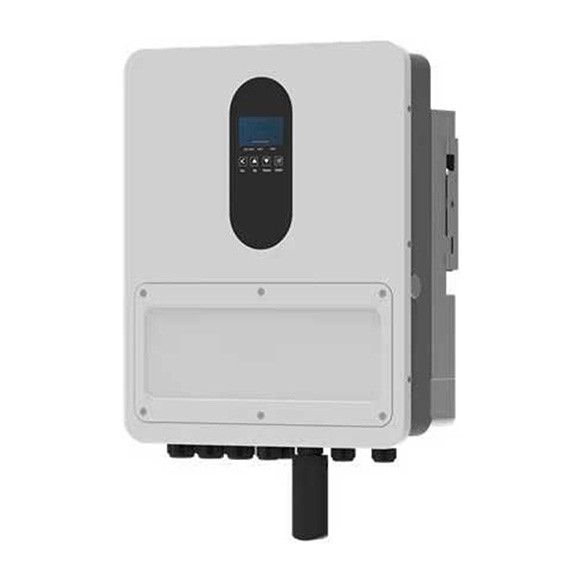
When choosing an off grid inverter, the size of the inverter is an important factor. For smaller off grid systems, a 4kw Off Grid Inverter may be sufficient. It can power basic appliances such as lights, fans, and small electronics. On the other hand, if you have a larger off grid setup with more power - hungry appliances like refrigerators, air conditioners, or power tools, a 6kw Off Grid Inverter would be a better choice.

Troubleshooting Tips
Even with a proper installation, you may encounter some issues with your off grid inverter. If the inverter does not turn on, check the battery connections, fuses, and circuit breakers. If the AC output voltage is unstable, check the load capacity and the battery voltage. If you notice any strange noises or smells coming from the inverter, turn it off immediately and contact a professional for assistance.
Conclusion
Installing an off grid inverter is a significant step towards achieving energy independence. By following these steps and taking the necessary precautions, you can install your off grid inverter safely and effectively. As an off grid inverter supplier, I'm committed to providing high - quality products and support to help you build a reliable off grid power system.
If you're interested in purchasing an off grid inverter or have any questions about the installation process, feel free to contact us for more information and to start a procurement discussion. We'll be happy to assist you in finding the right inverter for your needs.
References
- "Off - Grid Solar Electric Systems" by Home Power Magazine
- Manufacturer's installation manuals for off grid inverters