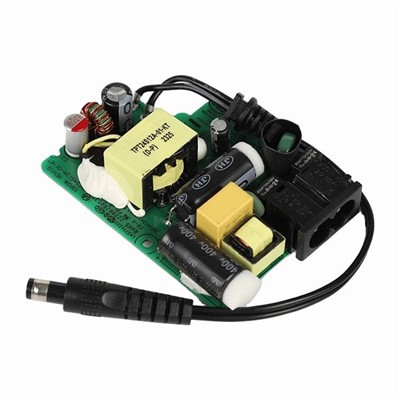

Off grid inverters play a crucial role in standalone power systems, converting direct current (DC) from sources like solar panels or batteries into alternating current (AC) for use in various electrical appliances. As an off grid inverter supplier, I understand the significance of optimizing the performance of these inverters to ensure reliable and efficient power supply. In this blog post, I will share some key strategies and considerations for optimizing the performance of an off grid inverter.
1. Proper Sizing of the Inverter
One of the fundamental steps in optimizing the performance of an off grid inverter is to ensure it is properly sized for the specific application. An undersized inverter may not be able to handle the load requirements, leading to overheating and potential damage. On the other hand, an oversized inverter can be inefficient and more expensive.
To determine the appropriate size of the inverter, you need to calculate the total power consumption of all the electrical appliances that will be connected to it. Consider both the continuous power requirements and the peak power demands. For example, some appliances like refrigerators or air conditioners may have a high starting current. Make sure to account for these peak loads when sizing the inverter.

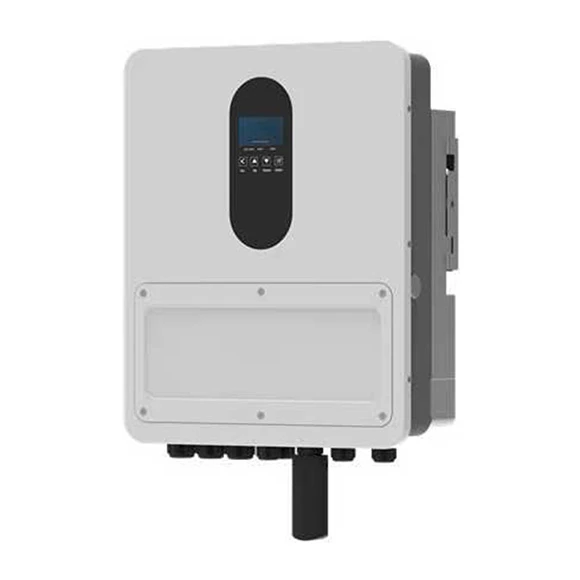
As an off grid inverter supplier, we offer a range of inverters with different power ratings, including the 6kw Off Grid Inverter and the 4kw Off Grid Inverter. Our technical team can assist you in selecting the right inverter based on your specific power needs.
2. High - Quality DC Input
The quality of the DC input to the off grid inverter has a significant impact on its performance. Solar panels and batteries are the common DC sources for off grid inverters.
- Solar Panels: Ensure that the solar panels are properly installed and oriented to receive maximum sunlight. Regularly clean the panels to remove dust, dirt, and debris, which can reduce their efficiency. Also, check for any shading issues that may affect the output of the panels. A well - maintained solar panel system will provide a stable and sufficient DC input to the inverter.
- Batteries: Use high - quality batteries with the appropriate capacity and voltage for your system. Proper battery maintenance is essential, including regular charging and discharging cycles, checking the electrolyte levels (for lead - acid batteries), and keeping the batteries at the right temperature. A healthy battery bank will supply a consistent DC voltage to the inverter, preventing voltage fluctuations that can damage the inverter or affect its performance.
3. Efficient Cooling
Off grid inverters generate heat during operation, and excessive heat can reduce their efficiency and lifespan. Therefore, efficient cooling is crucial for optimizing their performance.
- Ventilation: Ensure that the inverter is installed in a well - ventilated area. Avoid enclosing the inverter in a small, air - tight space. Provide sufficient clearance around the inverter for air to circulate freely. Some inverters come with built - in fans for forced air cooling, which can be very effective in dissipating heat.
- Heat Sinks: Many inverters are equipped with heat sinks to transfer heat away from the internal components. Make sure the heat sinks are clean and not blocked by dust or debris. Regularly inspect the heat sinks and clean them if necessary.
4. Correct Wiring and Connection
Proper wiring and connection are essential for the safe and efficient operation of an off grid inverter.
- Wire Size: Use the correct wire size for the DC and AC connections. Undersized wires can cause voltage drops, which can reduce the efficiency of the inverter and affect the performance of the connected appliances. Refer to the inverter's installation manual for the recommended wire sizes based on the distance and current requirements.
- Connection Tightness: Ensure that all the electrical connections are tight and secure. Loose connections can cause arcing, which can damage the inverter and pose a safety hazard. Regularly check the connections for any signs of loosening or corrosion and tighten or clean them as needed.
5. Software and Firmware Updates
Most modern off grid inverters are equipped with advanced control systems and software. Manufacturers often release software and firmware updates to improve the performance, functionality, and reliability of the inverters.
- Enhanced Efficiency: These updates may include algorithms that optimize the power conversion process, reducing losses and increasing the overall efficiency of the inverter.
- New Features: Updates can also introduce new features such as improved monitoring capabilities, better compatibility with different DC sources, or enhanced protection functions.
As an off grid inverter supplier, we provide regular software and firmware updates to our customers. We recommend that you keep your inverter's software up - to - date to take advantage of these improvements.
6. Load Management
Effective load management is an important aspect of optimizing the performance of an off grid inverter.
- Prioritize Loads: Identify the essential and non - essential loads in your system. During periods of limited power supply, prioritize the essential loads such as lighting, refrigeration, and communication devices. You can use a load controller or a smart power management system to automatically switch off non - essential loads when the power is low.
- Avoid Overloading: Do not exceed the rated power capacity of the inverter. Overloading can cause the inverter to overheat, trip the circuit breaker, or even damage the inverter permanently. Monitor the power consumption of your appliances and make sure the total load does not exceed the inverter's capacity.
7. Regular Maintenance and Monitoring
Regular maintenance and monitoring are key to ensuring the long - term performance of an off grid inverter.
- Visual Inspection: Periodically inspect the inverter for any signs of physical damage, such as cracks, loose parts, or signs of overheating. Check the display (if available) for error messages or abnormal readings.
- Performance Monitoring: Use a monitoring system to track the performance of the inverter, including the input and output power, voltage, and current. Analyze the data to identify any trends or issues. For example, a sudden drop in output power may indicate a problem with the inverter or the DC source.
In conclusion, optimizing the performance of an off grid inverter requires a comprehensive approach that includes proper sizing, high - quality DC input, efficient cooling, correct wiring, software updates, load management, and regular maintenance. As an off grid inverter supplier, we are committed to providing high - quality products and professional support to help you achieve the best performance from your off grid inverter system.
If you are interested in purchasing an off grid inverter or need further advice on optimizing its performance, please feel free to contact us for a detailed discussion and procurement negotiation.
References
- "Solar Power Systems Design and Installation Handbook"
- Manufacturer's manuals for off grid inverters
- Industry standards and guidelines for off grid power systems