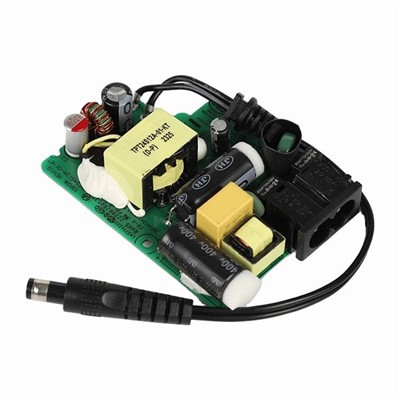

Hey there! As a supplier of PoE power supplies, I've seen a lot of folks get tempted to connect these power supplies in parallel. It might seem like a good idea at first glance, but trust me, there are some risks involved. Let's dig into what those risks are.
Overloading the Power Grid
One of the most immediate risks of connecting PoE power supplies in parallel is overloading the power grid. When you connect multiple power supplies together, you're essentially increasing the amount of power that's being drawn from the electrical system. This can lead to a situation where the power grid can't handle the load, resulting in tripped circuit breakers or even damage to the electrical infrastructure.
For example, if you have two 60W POE Switch connected in parallel, you're potentially drawing up to 120W of power. If your electrical system isn't designed to handle that much power, you're asking for trouble. It's like trying to fit a square peg into a round hole - it just won't work, and you'll end up causing some serious problems.
Voltage Inconsistencies
Another big risk is voltage inconsistencies. When you connect PoE power supplies in parallel, each power supply might have a slightly different output voltage. This can lead to a situation where the devices connected to the PoE network are receiving inconsistent power, which can cause them to malfunction or even fail completely.
Let's say you have a 90W POE Injector and a POE Injector 30w connected in parallel. The 90W injector might be outputting a voltage of 48V, while the 30W injector might be outputting a voltage of 47V. This difference in voltage can cause issues for the devices that are connected to the network, as they might not be able to handle the inconsistent power.
Current Imbalance
Current imbalance is also a major concern when connecting PoE power supplies in parallel. Each power supply has a maximum current rating, and if you connect them in parallel without properly balancing the load, you can end up overloading one or more of the power supplies. This can cause the power supplies to overheat, which can lead to premature failure and potentially even a fire hazard.
For instance, if you have two power supplies with different current ratings and you connect them in parallel, the power supply with the lower current rating might end up taking on more of the load than it can handle. This can cause it to overheat and eventually fail, which can disrupt the entire PoE network.
Grounding Issues
Grounding is another important aspect to consider when connecting PoE power supplies in parallel. If the power supplies aren't properly grounded, it can lead to electrical interference and potential safety hazards. When you connect multiple power supplies together, it can be more difficult to ensure that each one is properly grounded, which increases the risk of electrical problems.
Improper grounding can cause issues such as electrical shocks, equipment damage, and interference with other electronic devices. It's like playing with fire - you might not see the immediate consequences, but eventually, you're going to get burned.


Compatibility Problems
Not all PoE power supplies are created equal, and when you connect them in parallel, you might run into compatibility problems. Different power supplies might use different protocols, have different output characteristics, or be designed for different types of devices. Connecting incompatible power supplies in parallel can lead to a host of issues, including device malfunctions, network instability, and even damage to the power supplies themselves.
For example, some PoE power supplies might be designed to work with specific types of cameras or access points, while others might be more general-purpose. If you connect a power supply that's designed for one type of device with a power supply that's designed for another type of device, you might run into compatibility issues that can cause problems for your PoE network.
Warranty and Support Issues
Finally, connecting PoE power supplies in parallel can also void the warranty of the power supplies. Most manufacturers specify in their warranty terms that connecting power supplies in parallel is not recommended and can void the warranty. This means that if something goes wrong with the power supplies, you won't be able to get them repaired or replaced under warranty.
In addition, if you run into any problems with your PoE network after connecting the power supplies in parallel, it can be more difficult to get support from the manufacturer. The manufacturer might not be able to diagnose the problem or provide a solution if they find out that you've connected the power supplies in parallel, as it's not a recommended configuration.
So, as you can see, there are several risks associated with connecting PoE power supplies in parallel. While it might seem like a quick and easy way to increase the power capacity of your PoE network, it's definitely not worth the risk. Instead, I recommend that you use a single, high-capacity PoE power supply or a power distribution unit that's designed to handle the load.
If you're in the market for a reliable PoE power supply, I'd be more than happy to help you find the right one for your needs. Just reach out to me, and we can start a conversation about your requirements and find the best solution for your PoE network. Whether you need a 60W POE Switch, a 90W POE Injector, or a POE Injector 30w, I've got you covered.
Let's work together to ensure that your PoE network is reliable, efficient, and safe. Don't take the risk of connecting power supplies in parallel - let's find the right solution for you.
References
- IEEE 802.3af and 802.3at standards for Power over Ethernet
- Manufacturer's documentation for PoE power supplies