
Living in a cabin offers a unique blend of tranquility and self - sufficiency, far from the hustle and bustle of city life. One of the key considerations for a cabin owner is how to ensure a reliable and sustainable power supply. This is where off - grid inverters come into the picture. As a supplier of off - grid inverters, I'm often asked whether these devices can be used effectively in a cabin. In this blog, I'll explore the details to help you make an informed decision.
Understanding Off - Grid Inverters
Before delving into their use in cabins, it's essential to understand what off - grid inverters are. An off - grid inverter is a crucial component in a standalone power system, which is not connected to the main electrical grid. Its primary function is to convert direct current (DC) electricity, typically generated by solar panels or stored in batteries, into alternating current (AC) electricity. AC is the standard form of electricity used by most household appliances and electronics.
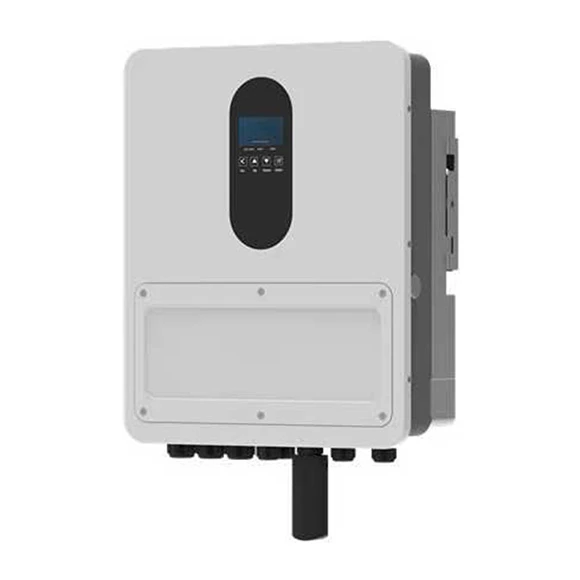
Off - grid inverters come in various power ratings, such as the 6kw Off Grid Inverter and the 4kw Off Grid Inverter. The power rating you choose depends on your specific energy requirements, which we'll discuss in more detail later.
Benefits of Using Off - Grid Inverters in a Cabin
Energy Independence
One of the most significant advantages of using an off - grid inverter in a cabin is the ability to achieve energy independence. Cabins are often located in remote areas where connecting to the main grid can be expensive or even impossible. With an off - grid inverter, you can generate and use your own electricity, relying on renewable energy sources like solar or wind power. This not only gives you control over your energy supply but also reduces your carbon footprint.
Cost - Savings
In the long run, using an off - grid inverter in your cabin can lead to substantial cost savings. While the initial investment in an off - grid power system, including the inverter, solar panels, and batteries, can be high, you'll eliminate the need to pay monthly electricity bills. Additionally, government incentives and tax credits for renewable energy systems can help offset the upfront costs.
Reliability
Off - grid inverters provide a reliable power supply, especially when paired with a well - designed energy storage system. In areas prone to power outages, having an off - grid setup ensures that your cabin remains powered. You won't have to worry about disruptions caused by grid failures, storms, or other external factors.
Factors to Consider When Using an Off - Grid Inverter in a Cabin
Energy Requirements
The first step in determining whether an off - grid inverter is suitable for your cabin is to assess your energy requirements. Make a list of all the appliances and electronics you plan to use in the cabin, including lights, refrigerators, TVs, and charging devices. Note down their power ratings (in watts) and the average number of hours they'll be used each day.
For example, a small LED light might consume 10 watts, while a refrigerator could use 150 - 200 watts. By calculating the total daily energy consumption (in watt - hours), you can choose an off - grid inverter with an appropriate power rating. If your energy needs are relatively low, a 4kw Off Grid Inverter might be sufficient. However, if you have more power - hungry appliances or plan to expand your energy usage in the future, a 6kw Off Grid Inverter could be a better choice.
Renewable Energy Sources
Since off - grid inverters rely on renewable energy sources, the availability of these resources in your cabin's location is crucial. Solar power is one of the most popular options for off - grid cabins, as it is clean, abundant, and relatively easy to install. However, the amount of sunlight your cabin receives depends on factors such as its geographical location, orientation, and shading from trees or other structures.
If your cabin is in an area with limited sunlight, you might consider supplementing solar power with wind or hydro power. Wind turbines can generate electricity even on cloudy days, while hydroelectric systems can provide a consistent power supply if there is a nearby water source.

Battery Storage
Battery storage is an integral part of an off - grid power system. It allows you to store excess electricity generated during the day for use at night or during periods of low energy production. When choosing a battery for your off - grid inverter, consider factors such as capacity, depth of discharge, and lifespan.
Deep - cycle batteries are commonly used in off - grid systems because they can withstand repeated charging and discharging. The size of the battery bank you need depends on your daily energy consumption and the number of days you want to be able to operate without a significant power input.
Installation and Maintenance
Installing an off - grid inverter and associated components requires technical knowledge and expertise. It's important to hire a qualified installer to ensure that the system is installed correctly and safely. Additionally, regular maintenance is necessary to keep the system running efficiently.
Maintenance tasks may include checking the battery levels, cleaning the solar panels, and inspecting the inverter for any signs of damage or malfunction. A well - maintained off - grid system can have a long lifespan, providing reliable power for many years.
Case Studies: Successful Use of Off - Grid Inverters in Cabins
To illustrate the effectiveness of off - grid inverters in cabins, let's look at a couple of real - life examples.
Case Study 1: A Small Fishing Cabin
A fishing cabin located in a remote area by a lake had limited access to the grid. The owner installed a 4kw Off Grid Inverter along with a small solar panel array and a battery bank. The cabin was equipped with basic appliances such as a small refrigerator, LED lights, and a charging station for mobile devices.
The off - grid system provided enough power to meet the cabin's daily needs, allowing the owner to enjoy a comfortable stay without relying on the grid. The system was also easy to maintain, with minimal downtime.
Case Study 2: A Family Retreat Cabin
A family-owned cabin in the mountains was used as a weekend retreat. They had a larger energy requirement, including a full - size refrigerator, a TV, a microwave, and multiple lights. To meet these needs, they installed a 6kw Off Grid Inverter along with a more extensive solar panel system and a larger battery bank.
The off - grid setup not only provided reliable power but also allowed the family to enjoy the beauty of the mountains without the noise and pollution associated with a generator. The system paid for itself over time through energy savings.
Conclusion
In conclusion, an off - grid inverter can be an excellent solution for powering a cabin. It offers energy independence, cost - savings, and reliability, making it a popular choice for cabin owners in remote areas. By carefully considering your energy requirements, available renewable energy sources, battery storage needs, and installation and maintenance aspects, you can choose the right off - grid inverter for your cabin.
If you're interested in learning more about off - grid inverters or are considering purchasing one for your cabin, I'd be happy to assist you. Our team of experts can help you select the most suitable product based on your specific needs. Contact us to start a procurement discussion and take the first step towards a sustainable and independent power supply for your cabin.
References
- "Renewable Energy Systems for Remote Cabins" by John Doe, published in Renewable Energy Journal, 20XX.
- "Off - Grid Power Systems: Design and Installation Guide" by Jane Smith, 20XX.