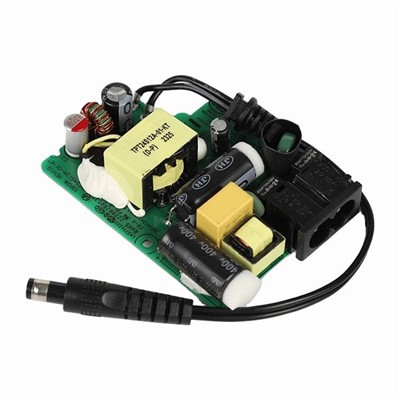

As a supplier of Electrical Scooter Charger, I often receive inquiries from customers about the compatibility of charging voltages for their electric scooters. One common question is, "Can I charge my electrical scooter charger at a different voltage than the recommended one?" This blog post aims to provide a detailed and scientific answer to this question, exploring the potential risks and consequences associated with using an incorrect voltage charger.
Understanding Voltage and Charging Requirements
Before delving into the question of charging at a different voltage, it is essential to understand the basic principles of voltage and its role in the charging process. Voltage, measured in volts (V), is the electrical potential difference between two points in a circuit. In the context of electric scooter chargers, the voltage determines the rate at which electrical energy is transferred from the charger to the scooter's battery.
Each electric scooter has specific voltage requirements, which are typically indicated on the battery or in the user manual. These requirements are carefully designed to ensure optimal charging performance and to prevent damage to the battery. Using a charger with a different voltage than the recommended one can have serious consequences for the battery's health and the overall safety of the scooter.
The Dangers of Overvoltage Charging
One of the most significant risks of charging an electric scooter at a higher voltage than recommended is overvoltage charging. Overvoltage occurs when the charger supplies a higher voltage to the battery than it is designed to handle. This can lead to several problems, including:
- Battery Damage: Overvoltage charging can cause excessive heat generation within the battery, which can damage the internal components and reduce its overall lifespan. In some cases, overvoltage charging can even cause the battery to explode or catch fire, posing a serious safety hazard.
- Reduced Battery Capacity: Repeated overvoltage charging can lead to a gradual reduction in the battery's capacity, meaning it will hold less charge over time. This can result in shorter riding distances and more frequent charging requirements.
- Electrical System Damage: Overvoltage charging can also damage the scooter's electrical system, including the charger port, wiring, and electronic components. This can lead to malfunctions and costly repairs.
The Consequences of Undervoltage Charging
On the other hand, charging an electric scooter at a lower voltage than recommended can also have negative consequences. Undervoltage occurs when the charger supplies a lower voltage to the battery than it needs to reach a full charge. This can lead to:
- Incomplete Charging: Undervoltage charging can result in the battery not reaching its full capacity, meaning it will not provide the maximum riding range. This can be particularly frustrating for users who rely on their electric scooters for daily transportation.
- Battery Sulfation: When a battery is consistently undercharged, it can lead to a process called sulfation. Sulfation occurs when lead sulfate crystals form on the battery plates, reducing its ability to hold a charge. Over time, sulfation can cause irreversible damage to the battery and shorten its lifespan.
- Inefficient Charging: Charging at a lower voltage can also be less efficient, as it takes longer to charge the battery to a usable level. This can be inconvenient for users who need to charge their scooters quickly.
Exceptions and Special Cases
While it is generally not recommended to charge an electric scooter at a different voltage than the recommended one, there are some exceptions and special cases where it may be possible. For example, some electric scooters are designed to be compatible with chargers of different voltages, as long as the charger output is within a certain range. In these cases, it is important to refer to the user manual or contact the manufacturer for specific instructions.
Another exception is the use of voltage converters or transformers. These devices can be used to convert the voltage from a power source to the appropriate voltage for the electric scooter charger. However, it is important to use a high-quality voltage converter or transformer that is specifically designed for use with electric scooters, as using an incompatible device can also pose a safety risk.
Choosing the Right Charger
To ensure the safety and longevity of your electric scooter's battery, it is crucial to choose the right charger. When selecting a charger, consider the following factors:
- Voltage Compatibility: Make sure the charger's output voltage matches the recommended voltage for your electric scooter's battery. This information can usually be found on the battery or in the user manual.
- Amperage Rating: The amperage rating of the charger determines the rate at which it can charge the battery. A higher amperage charger will charge the battery more quickly, but it is important to make sure the charger's amperage rating is compatible with the battery's specifications.
- Quality and Safety Features: Look for a charger that is made by a reputable manufacturer and has been tested for safety. Features such as overcurrent protection, overvoltage protection, and short-circuit protection can help prevent damage to the battery and the scooter.
Conclusion
In conclusion, charging an electric scooter at a different voltage than the recommended one is generally not recommended due to the potential risks and consequences. Overvoltage charging can cause battery damage, reduced capacity, and electrical system malfunctions, while undervoltage charging can result in incomplete charging, battery sulfation, and inefficient charging. It is important to choose the right charger that is compatible with your electric scooter's battery and to follow the manufacturer's instructions for charging.


If you have any questions or concerns about charging your electric scooter, or if you are looking for a high-quality Electrical Scooter Charger, EV Charger 48v, or 100A Battery Charger, please do not hesitate to contact us. Our team of experts is always available to provide you with the information and support you need to make the right choice for your electric scooter.
References
- Battery University. (n.d.). Understanding Battery Voltage. Retrieved from https://batteryuniversity.com/learn/article/understanding_battery_voltage
- Electric Scooter Guide. (n.d.). Charging Your Electric Scooter: What You Need to Know. Retrieved from https://electricscooterguide.com/charging-your-electric-scooter/
- UL. (n.d.). Safety Considerations for Electric Scooters. Retrieved from https://www.ul.com/resources/safety-considerations-electric-scooters